>>

A hearty, vegetable-packed winter minestrone with beans, cavolo nero, and tiny pasta — comforting, easy to make, and perfect for chilly evenings.
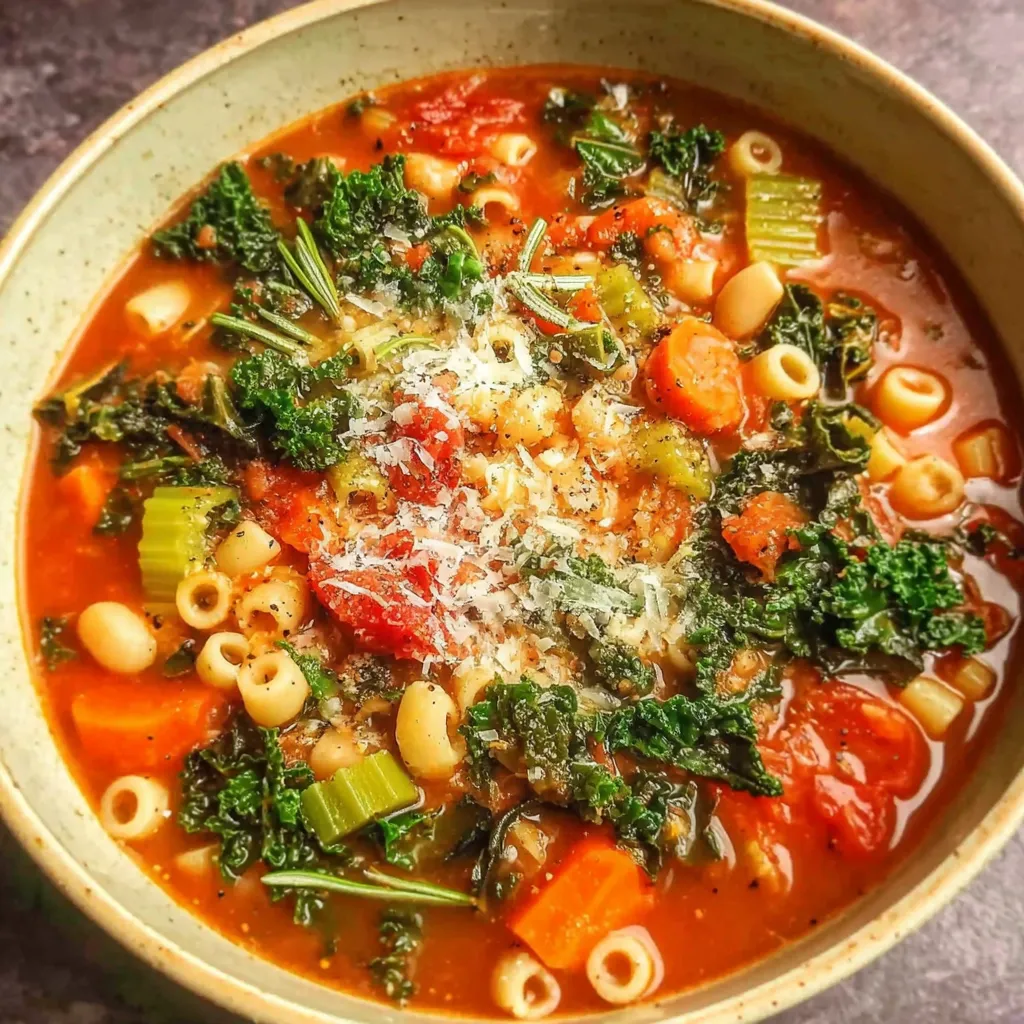
This winter minestrone has been my kitchen's warm hug on more cold evenings than I can count. I first adapted this version during a blustery December when my pantry was full of tins, a parmesan rind lived in the freezer, and a bunch of cavolo nero begged to be used. The result is a deeply flavorful pot that balances sweet carrots, aromatic celery and onion, tangy tomatoes and the creamy bite of cannellini beans. It is the sort of dish that fills the house with comforting aromas and invites friends and family to linger over second helpings.
What makes this bowl special is its simplicity: humble ingredients combined with a little patience build layers of savory depth. The gentle sweating of the mirepoix, the brief searing of garlic, the slow extraction of flavor from a parmesan rind and rosemary, and the addition of tiny pasta that swells into the broth — each step creates texture and heartiness. Serve with a wedge of crusty bread and a shower of freshly grated parmesan and you have a satisfying meal that feels like home.
I remember the first time I served this at a small holiday potluck; people kept asking for the recipe and parents reported that even the pickiest kids ate their bowls. It’s become my go-to when I want something soothing, simple and reliably loved.
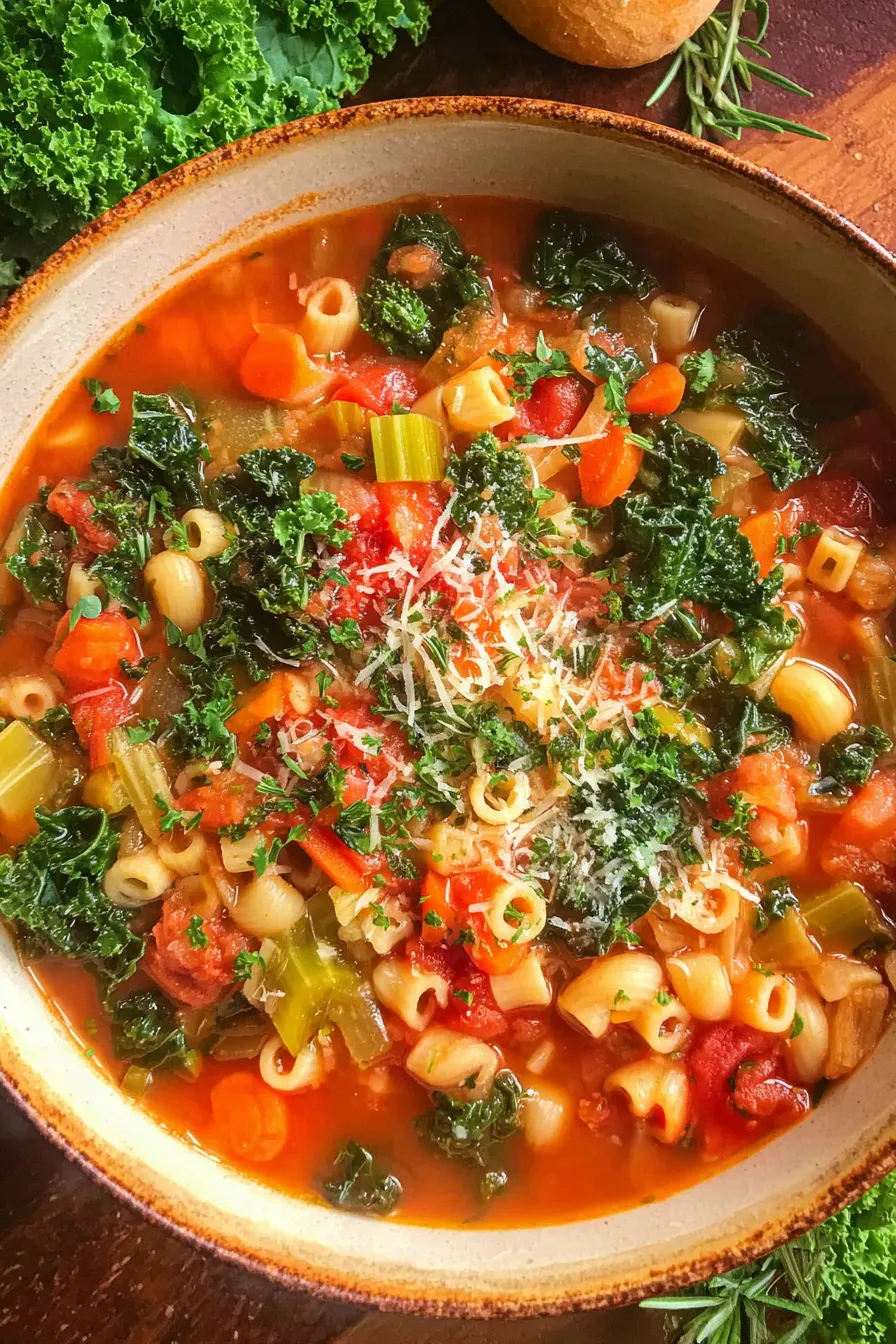
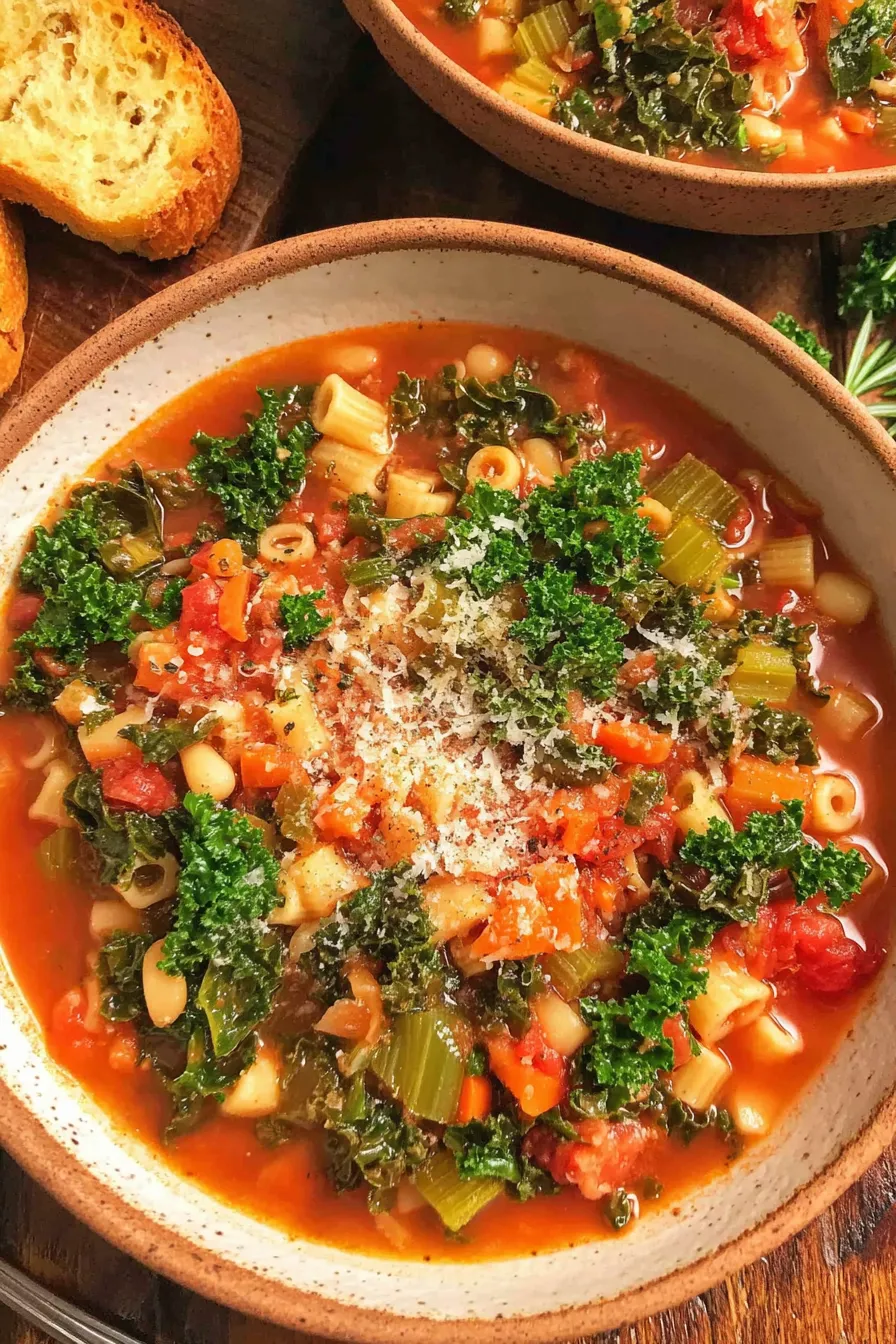
My favorite aspect is how forgiving the pot is: you can vary beans, vegetables and pasta sizes and the result is still a comforting bowl. Family members who once declared they didn’t like “green soup” now reach for seconds when this is on the table, and leftovers often taste even better the next day as the flavors settle.
Cool the soup to room temperature before refrigerating in airtight containers. If you plan to eat within 3 to 4 days, store in the fridge; for longer keeping, freeze in portions for up to three months. When freezing, remove any large parmesan rind and leave out grated cheese — add fresh cheese after reheating. Reheat gently on the stove over medium-low heat, add a splash of stock or water if the pasta has absorbed too much liquid, and stir until piping hot. Use glass containers or BPA-free plastic and label with the date.
Switch cannellini beans for chickpeas or red kidney beans for a different texture; reduce cooking time by using pre-cooked or leftover beans. If you don’t have cavolo nero, substitute curly kale, swiss chard or baby spinach — add spinach at the very end because it wilts faster. For a heartier version, add diced potato or sweet potato (add with the stock and simmer until tender). If avoiding dairy, omit the parmesan rind and grated cheese and increase umami with a teaspoon of miso dissolved into the broth.
Serve with a drizzle of high-quality olive oil and a generous grating of aged parmesan on each bowl. Pair with crusty sourdough or focaccia and a simple green salad dressed with lemon vinaigrette. For a fuller meal, top each bowl with a spoonful of pesto or add thinly sliced cooked sausage or pancetta for non-vegetarian diners. Garnish with torn fresh basil or a squeeze of lemon for brightness.
Minestrone is a cornerstone of Italian peasant cooking: a versatile, vegetable-driven pot that adapts to the season and pantry. Winter versions often include beans and hardy greens like cavolo nero or kale and are thicker and heartier. Each region has its own twist — some add rice instead of pasta, while others rely on local vegetables. The inclusion of a parmesan rind and rosemary in this version nods to rustic Italian technique, where an economical handful of ingredients yields layered flavor.
In colder months, emphasize root vegetables like parsnip, turnip or rutabaga and add a splash of red wine with the stock for extra warmth. In spring, swap kale for spring greens or peas and use lighter stock. For summer, decrease pasta and increase fresh tomatoes and basil for a brighter profile. Holiday variations can include diced squash and sage or a finishing drizzle of browned butter for richer occasions.
Prepare the base vegetables and store them in the fridge for up to two days: diced onions, carrots and celery keep well and speed up assembly. Cook a large batch and portion into 2-cup containers for lunches; add fresh greens or thawed greens when reheating to keep them vibrant. If using this for weekly meals, cook the pasta separately and add to bowls when serving to avoid over-softening during storage.
This minestrone is more than a recipe — it’s a template for winter comfort. Whether you make a double batch for the week or scale down for a cozy dinner for two, it rewards simple care with generous, homey flavor. Turn on some music, simmer slowly and share a warm bowl with someone you love.
Sweat the vegetables gently over low heat to develop sweetness without browning; this builds flavor without bitterness.
Keep a parmesan rind in the freezer and add it while simmering for an easy umami boost.
If freezing leftovers, undercook the pasta slightly or store pasta separately to avoid mushy texture when reheating.
Use low-sodium stock so you can adjust salt at the end after the pasta and beans have been added.
This nourishing winter minestrone soup recipe is sure to be a staple in your kitchen. Enjoy every moist, high protein slice — it is perfect for breakfast or as a wholesome snack any time.
This Winter Minestrone Soup recipe makes perfectly juicy, tender, and flavorful steak every time! Serve with potatoes and a side salad for an unforgettable dinner in under 30 minutes.
Heat 2 tablespoons of olive oil in a large saucepan over low heat. Add diced onions, celery, carrots and 1 teaspoon dried rosemary with a pinch of salt and pepper. Cook gently for 8 to 10 minutes until softened and translucent, avoiding browning.
Add the crushed garlic and cook for 1 to 2 minutes until fragrant. Stir in 2 tablespoons of tomato purée and cook for another minute to deepen the tomato flavor.
Pour in about 6 1/3 cups of vegetable stock and one 14-ounce can of chopped tomatoes. Add a parmesan rind if available. Bring to a simmer on medium-high, then reduce to low-medium, cover and cook for 10 minutes.
Stir in the drained 14-ounce can of beans and 1 1/4 cups of small dried pasta. Cook for 10 to 12 minutes, stirring occasionally, until pasta is al dente.
During the last 5 to 6 minutes of cooking, add the shredded cavolo nero or kale. Stir until wilted and tender. Remove the parmesan rind, taste and adjust seasoning with salt and freshly ground black pepper.
Ladle into bowls and top with freshly grated parmesan and a drizzle of olive oil. Serve with crusty bread if desired.
Last Step: Please leave a rating and comment letting us know how you liked this recipe! This helps our business to thrive and continue providing free, high-quality recipes for you.
Leave a comment & rating below or tag
@forkelle on social media!

Thick, fudgy chocolate chunk brownies crowned with gooey mini marshmallows and a quick-set chocolate frosting for an irresistible, crowd-pleasing treat.

Buttery shortbread meets a gooey, brown-sugar pecan topping in these quick pecan pie bars. Just 10 minutes to prep and perfect for sharing.

Silky, crack-free pumpkin cheesecake with warm spice, buttery graham crust, and optional caramel and rum-kissed whipped cream. Your effortless holiday showstopper.
Leave a comment & rating below or tag @forkelle on social media!
Enjoyed this recipe? Share it with friends and family, and don't forget to leave a review!
This recipe looks amazing! Can't wait to try it.
Comments are stored locally in your browser. Server comments are displayed alongside your local comments.

Join to receive our email series which contains a round-up of some of our quick and easy family favorite recipes.