>>

A classic Thanksgiving stuffing with toasted bread, sautéed aromatics, fresh herbs, and a golden crispy top—comforting, reliable, and made to share.
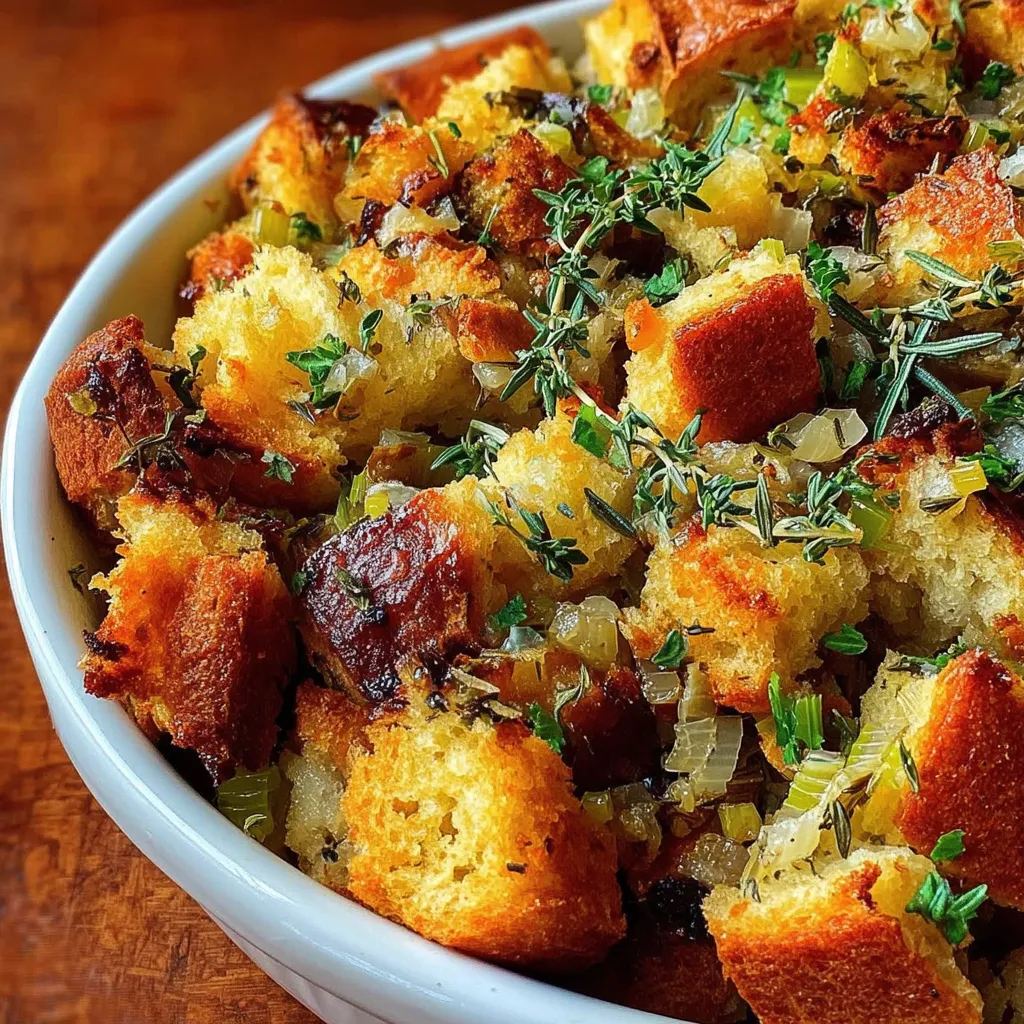
This Thanksgiving stuffing has been a constant on my holiday table for years, the recipe I reach for when I want something reliably comforting with bright herb flavor and a perfect balance of moist interior and crisp top. I first assembled these flavors on a chilly November afternoon when I had several loaves of stale bread begging for purpose. The technique of gently drying the bread, then folding it with a buttery sauté of onion and celery and plenty of fresh herbs, transformed ordinary pantry ingredients into a centerpiece side everyone asks for seconds of.
The texture is the real star: cubes that soak up savory broth and egg until tender in the middle, crowned by a top layer that bakes to a golden, slightly crunchy finish. The aroma of sage and rosemary in the oven always pulls family members into the kitchen, and the dish carries well from oven to table without losing its structure. Over the years I’ve tuned the seasoning and the liquid balance so that the stuffing is moist but never soupy, and the method works whether you bake it inside a bird or in a casserole dish for easy sharing.
At family dinners this dish has an almost Pavlovian effect—the scent of sage brings everyone to the table. I remember one holiday when a relative who never ventured near the kitchen lingered for a second helping and declared it the best stuffing they'd ever had. That kind of reaction is why this version circulates through our celebrations: it’s straightforward, forgiving, and consistently delicious.
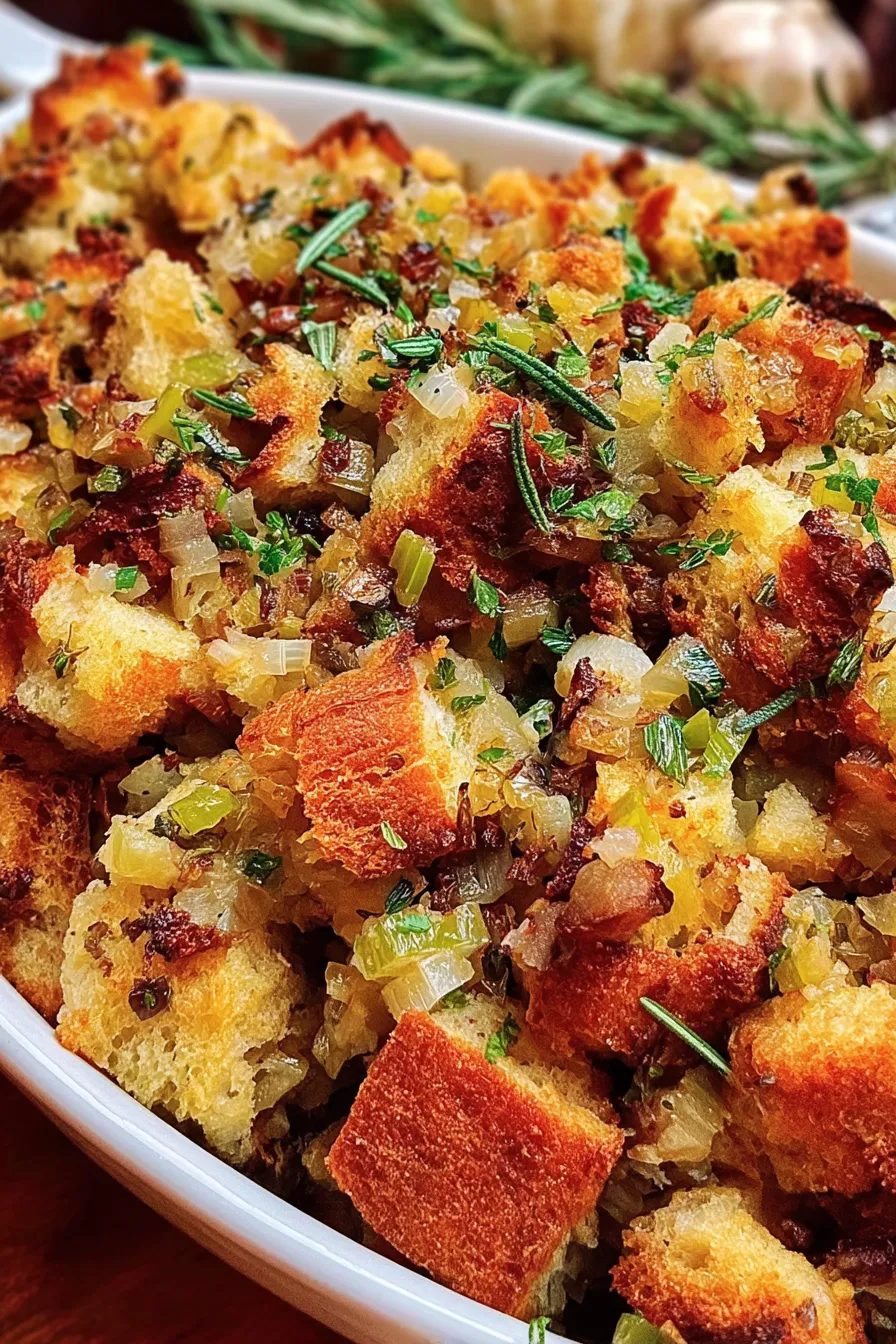
My favorite detail is how the top crisps while the interior stays tender—every holiday someone asks how I managed that balance. Once I switched to toasting the bread first rather than leaving it out, the texture became much more consistent in large batches, which is a relief on busy days when timing matters. Sharing this dish has produced small family rituals: the first slice pulled warm from the dish, the debate over whether to spoon it onto plates or serve it from the casserole, and the quiet satisfaction of a recipe that travels well from one generation to the next.
Cool leftovers to room temperature for no more than two hours and transfer to an airtight container. Refrigerate up to 3 days. For longer storage, freeze in a freezer-safe container or heavy-duty zip-top bag for up to 3 months—press out air to reduce freezer burn. Reheat in a 325 degree Fahrenheit oven covered with foil for 20 to 30 minutes, then uncover for 5 to 10 minutes to restore a crisp top. Microwaving is convenient for single servings but will soften the crust; refresh under a broiler for a minute if needed.
If you want to swap the bread, use a mix of crusty and softer loafs to create more texture contrast; whole wheat or multigrain breads will yield a nuttier profile but can absorb more liquid, so reduce initial broth slightly. Replace butter with an equal measure of olive oil for a dairy-free option and increase herbs slightly to compensate for the flavor. For a richer profile, fold in 1 cup of cooked and crumbled sausage or 3/4 cup toasted pecans; for sweetness, add 1/2 cup dried cranberries or chopped apples. When using table salt instead of kosher, reduce the amount by about one-third.
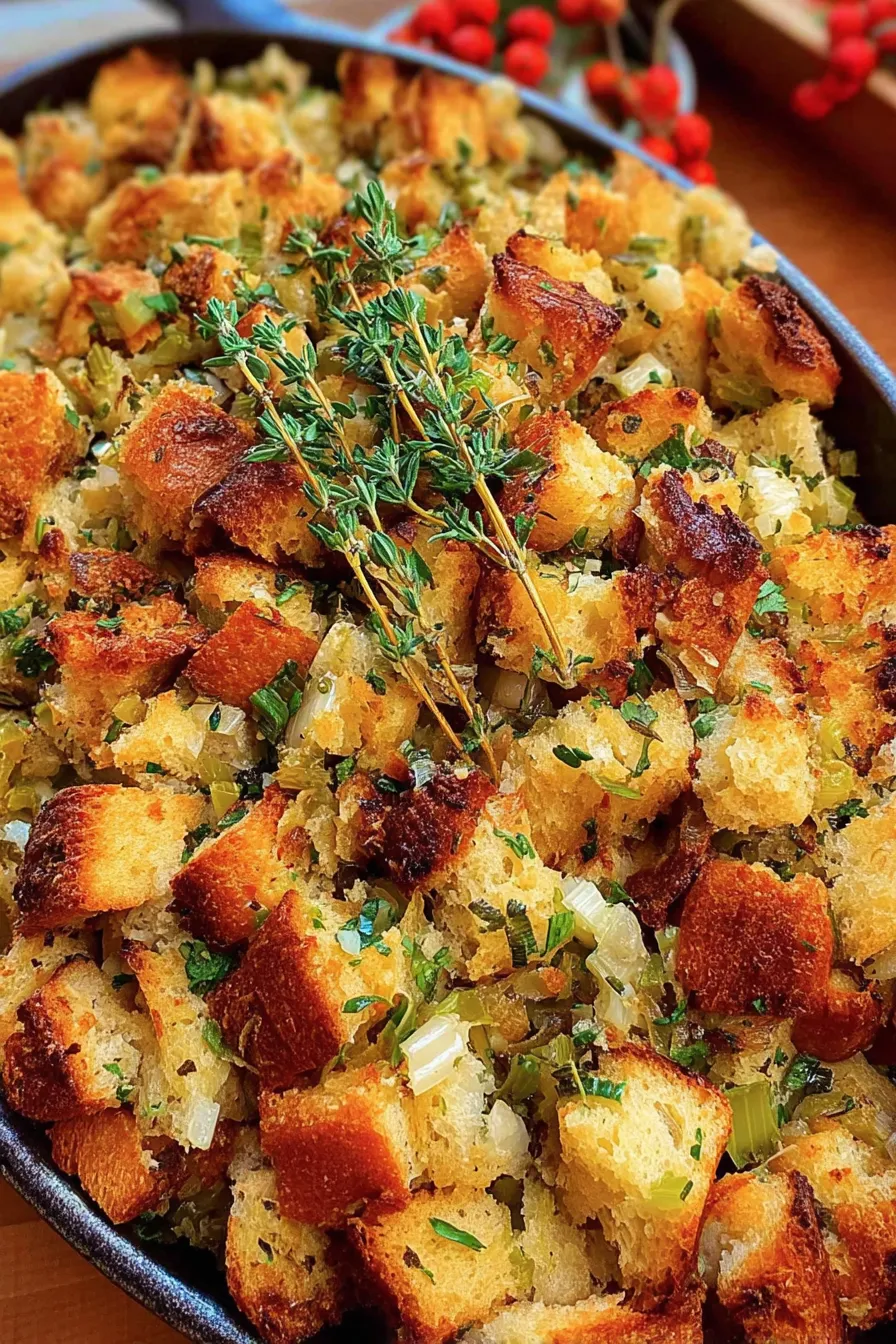
Serve alongside roasted turkey and pan gravy, spooning hot gravy sparingly over the edge so the top stays crisp. Garnish with additional chopped parsley and a few whole sage leaves fried lightly in butter for texture contrast. For a holiday buffet, present the stuffing in a warm ceramic dish with tongs for easy serving. Pair with roasted root vegetables, candied carrots, and a tart cranberry relish to balance the richness. Leftover slices can be transformed into stuffing-stuffed mushrooms or crisped in a skillet with an egg on top for breakfast.
Stuffing—sometimes called dressing depending on the region—has deep roots in American Thanksgiving traditions, blending Indigenous, European, and colonial influences. Early breads, cornbreads, and regional herbs shaped local variations. Sage and poultry are classic pairings in New England and the Midwest, while the South often incorporates cornbread, oysters, or sausage for regional identity. This version leans toward a classic, herb-forward New England style, celebrating simple bread and fresh garden herbs rather than sweeter or meat-heavy adaptations.
Autumn calls for warm spices and nuts: add 1/2 cup chopped toasted walnuts and 1 teaspoon of ground nutmeg for a harvest twist. In winter, swap half the parsley for 1/2 cup chopped kale or chard for color and nutrition. For spring and summer, lighten the profile with lemon zest, fresh basil instead of thyme, and omit heavy meats—serve alongside grilled poultry and fresh green salads. Small adjustments in herbs and add-ins let this base work year-round.
Toast the bread up to two days ahead and store in a sealed container. Sauté the vegetables and chop herbs ahead, then refrigerate separately. When assembling the day of serving, bring the broth to a simmer and warm the eggs slightly so they incorporate smoothly. If you’re short on time, assemble everything in the casserole dish, cover, and refrigerate overnight; remove from fridge 30 minutes before baking to take the chill off and bake as directed, adding a few minutes to the covered baking time.
Whether you make this as part of a holiday spread or as a cozy weeknight side, the simple ingredients and thoughtful technique reward you with a reliably delicious result. Share it, adapt it, and make it a tradition of your own.
Use day-old bread or dry it in a low oven to ensure the mixture absorbs liquid evenly without becoming soggy.
Warm the broth before adding so the bread hydrates evenly and the eggs incorporate without chilling the mixture.
If the mixture looks dry after combining, add broth in small increments until it feels moist but not soupy.
Grease the dish well and let the baked top rest for 10 minutes for cleaner serving slices.
This nourishing traditional thanksgiving stuffing recipe is sure to be a staple in your kitchen. Enjoy every moist, high protein slice — it is perfect for breakfast or as a wholesome snack any time.
Yes. Toasting the bread at 250°F for about an hour dries it without browning and ensures consistent liquid absorption.
You can bake it inside a turkey, but cooking times change and food safety must be observed. When cooked in the bird, ensure the center of the stuffing reaches 165°F.
This Traditional Thanksgiving Stuffing recipe makes perfectly juicy, tender, and flavorful steak every time! Serve with potatoes and a side salad for an unforgettable dinner in under 30 minutes.
Preheat oven to 250°F. Cube or tear bread into 1–2 inch pieces, spread on a rimmed baking sheet, and toast for about 1 hour, stirring occasionally, until bread is dry but not browned.
Melt butter in a large skillet over medium heat. Add chopped onion and diced celery and sauté 7–10 minutes until softened and translucent but not browned.
In a large bowl, combine toasted bread, sautéed vegetables, parsley, sage, rosemary, thyme, kosher salt, and black pepper. Toss to distribute evenly.
Whisk eggs with 2 cups warmed broth. Gradually pour over the bread mixture, mixing by hand until uniformly moist but not soggy. Add up to 1/2 cup more broth if needed.
Grease a 9x13-inch casserole with 1 tablespoon butter. Transfer mixture, cover with foil, and bake at 350°F for 40 minutes. Remove foil and bake 25–35 minutes more until top is golden and crisp. Let rest 10 minutes before serving.
Last Step: Please leave a rating and comment letting us know how you liked this recipe! This helps our business to thrive and continue providing free, high-quality recipes for you.
Leave a comment & rating below or tag
@forkelle on social media!
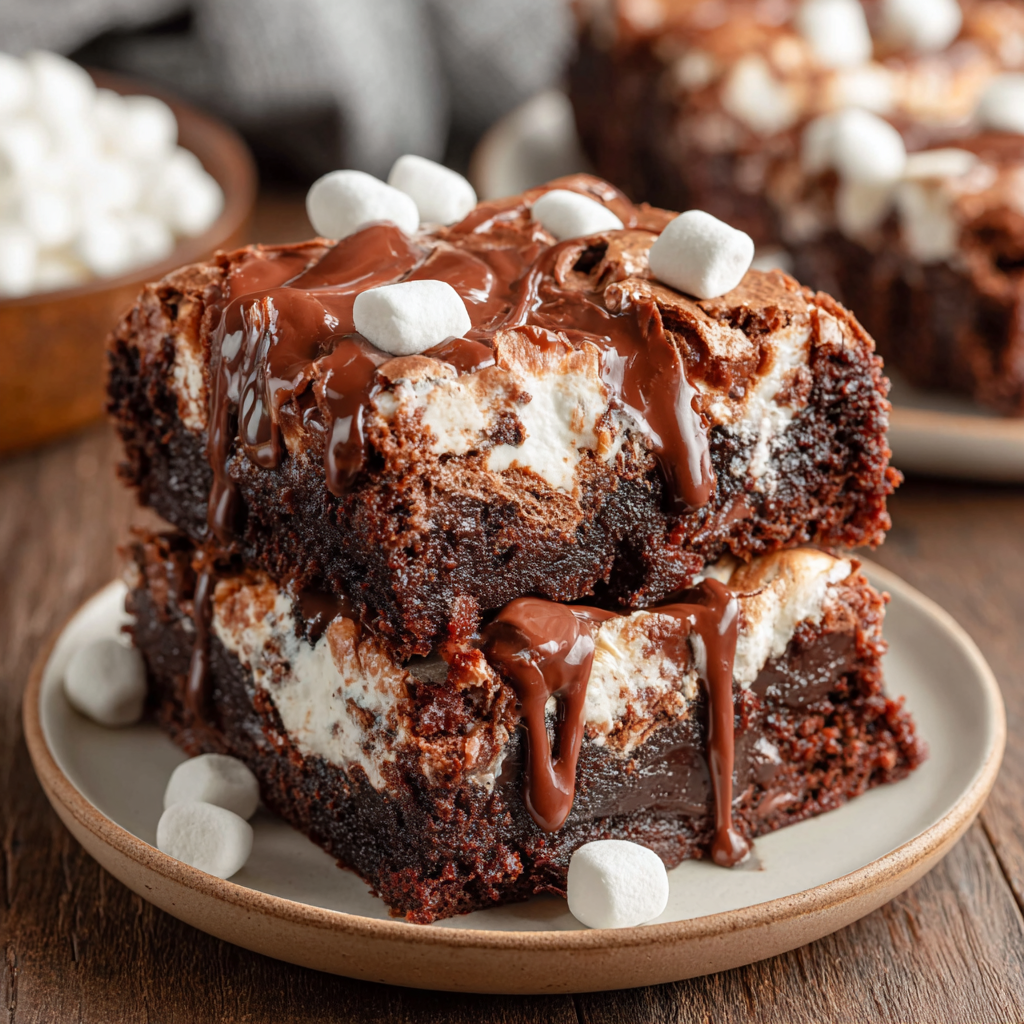
Thick, fudgy chocolate chunk brownies crowned with gooey mini marshmallows and a quick-set chocolate frosting for an irresistible, crowd-pleasing treat.
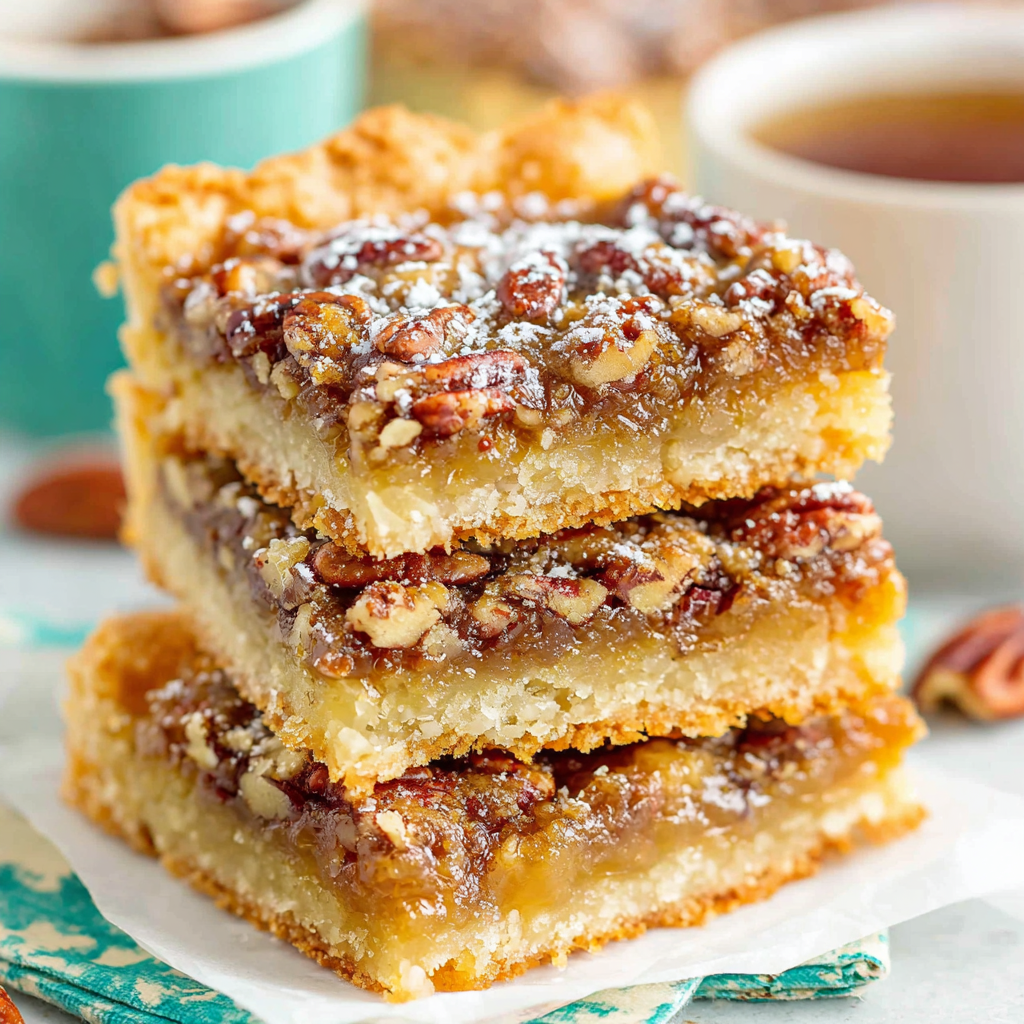
Buttery shortbread meets a gooey, brown-sugar pecan topping in these quick pecan pie bars. Just 10 minutes to prep and perfect for sharing.
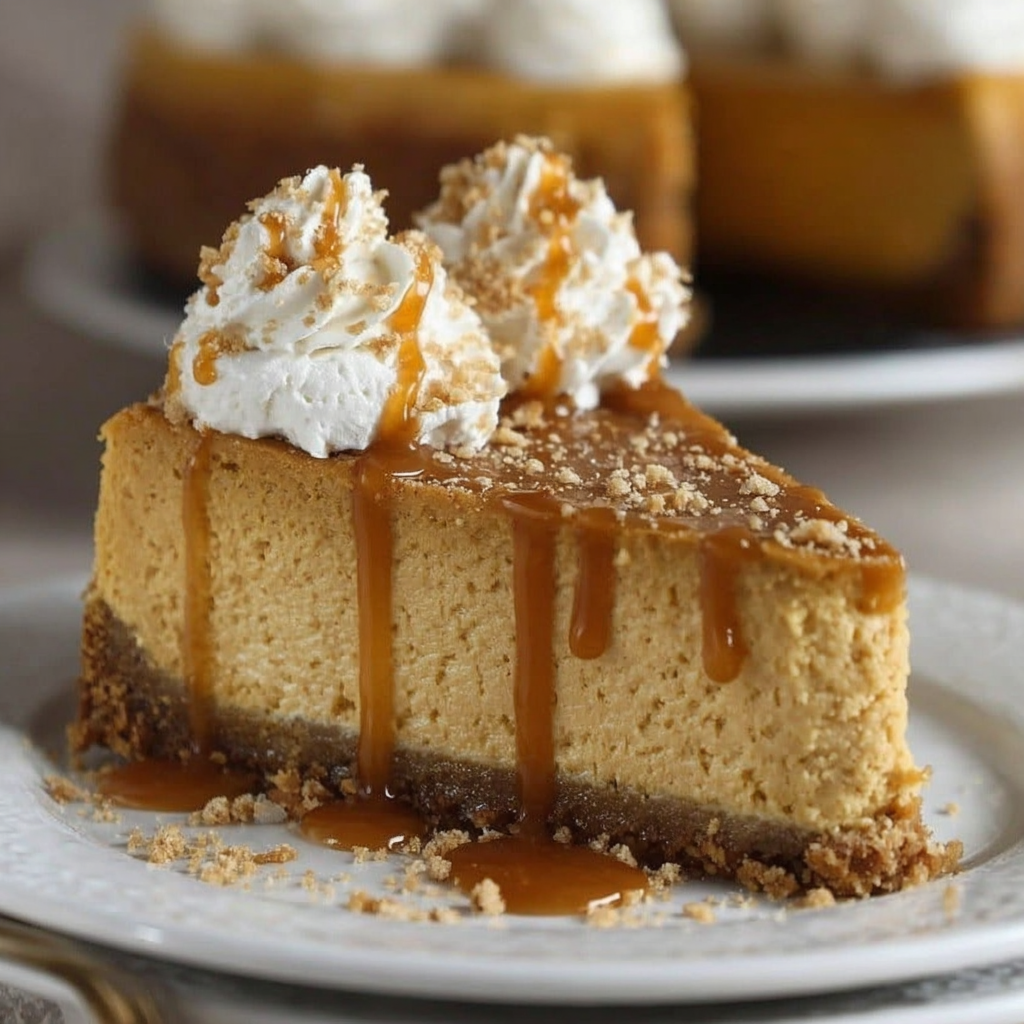
Silky, crack-free pumpkin cheesecake with warm spice, buttery graham crust, and optional caramel and rum-kissed whipped cream. Your effortless holiday showstopper.
Leave a comment & rating below or tag @forkelle on social media!
Enjoyed this recipe? Share it with friends and family, and don't forget to leave a review!
This recipe looks amazing! Can't wait to try it.
Comments are stored locally in your browser. Server comments are displayed alongside your local comments.

Join to receive our email series which contains a round-up of some of our quick and easy family favorite recipes.