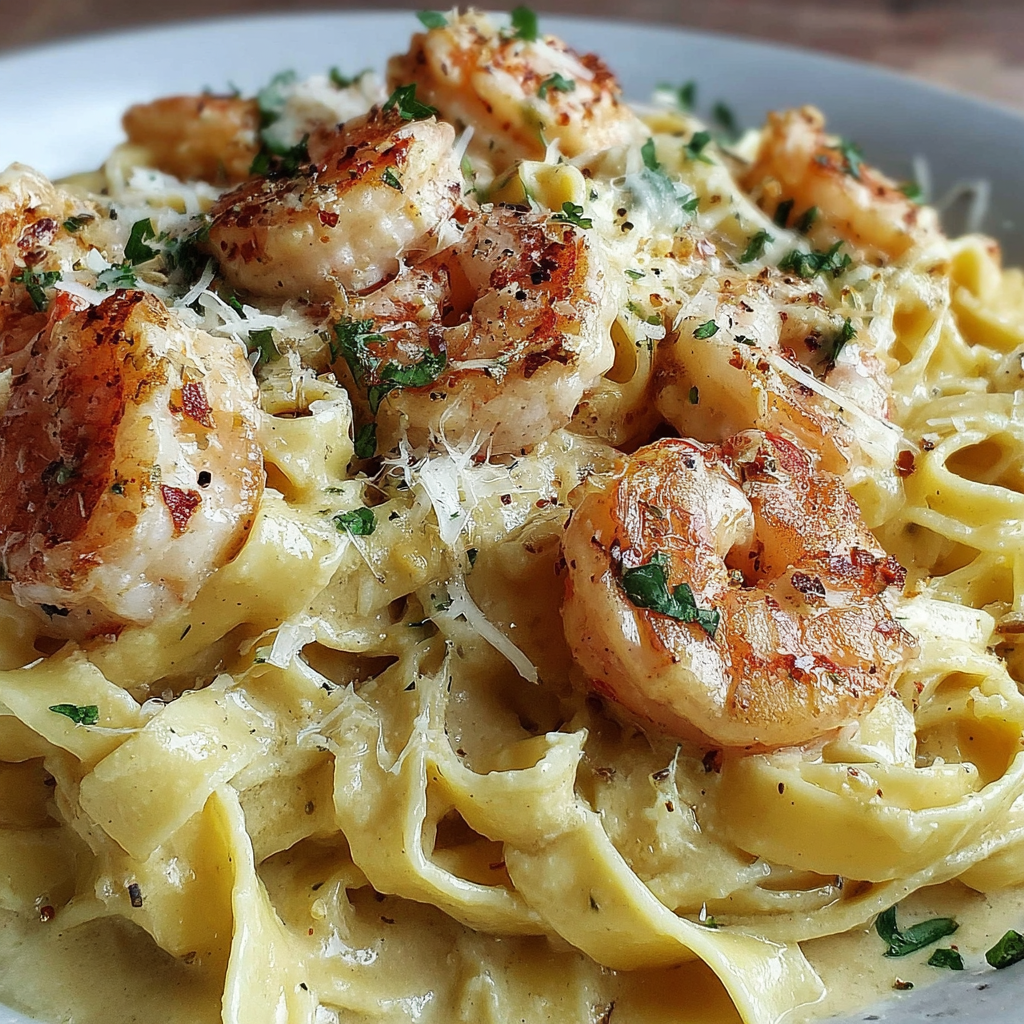
>>

A bright, creamy pasta with pan-seared salmon, lemon, and fresh dill — ready in about 25 minutes and perfect for weeknights or a cozy dinner for two.
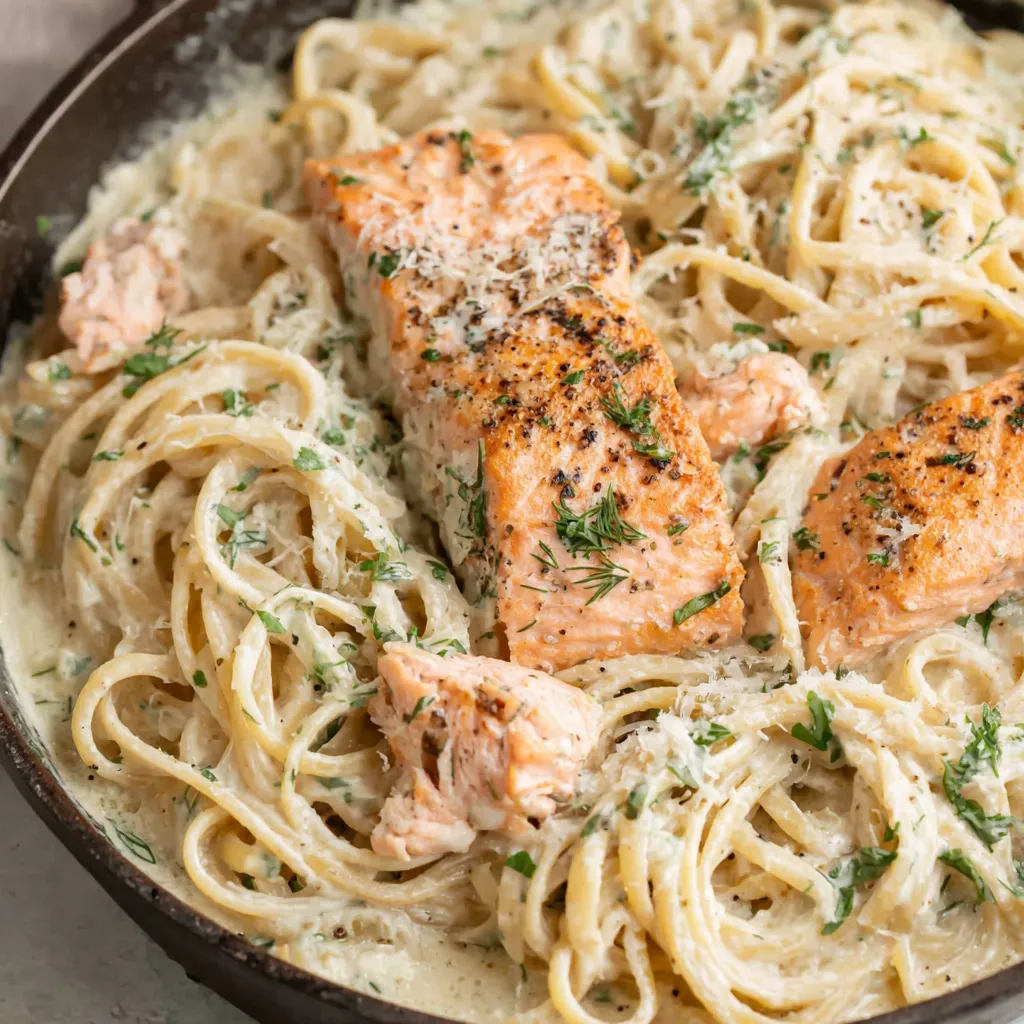
This Lemon Dill Salmon Pasta is one of those dishes that arrived in my life as an improvisation and quickly became a small household tradition. I first put the combination together on a busy weeknight when I had a half-pound of salmon and a box of pasta in the pantry; the bright lift of lemon and the aromatic weight of fresh dill turned a simple skillet into something celebratory. The result is creamy but not heavy, with tender flakes of salmon, a hit of garlic, and just enough acidity to keep each bite lively.
I love this dish because it feels like a restaurant plate made on a weeknight. The textures are a key part of the appeal: a lightly crisped crust on the outside of the salmon, the silky cream sauce, and al dente pasta that carries the sauce without getting mushy. It’s the kind of meal that gets complimented at the table and has earned its place in my rotation for quick dinners when I want to impress without fuss. Family and friends often ask for the recipe after tasting it once.
I discovered small technique details — like dredging the fish lightly in flour for a bit of browning and finishing the sauce with the salmon broken into flakes — that elevate the texture and appearance. The first time I served this to guests, everyone went back for seconds; the combination of citrus, cream, and fresh herb somehow feels both indulgent and clean at once.
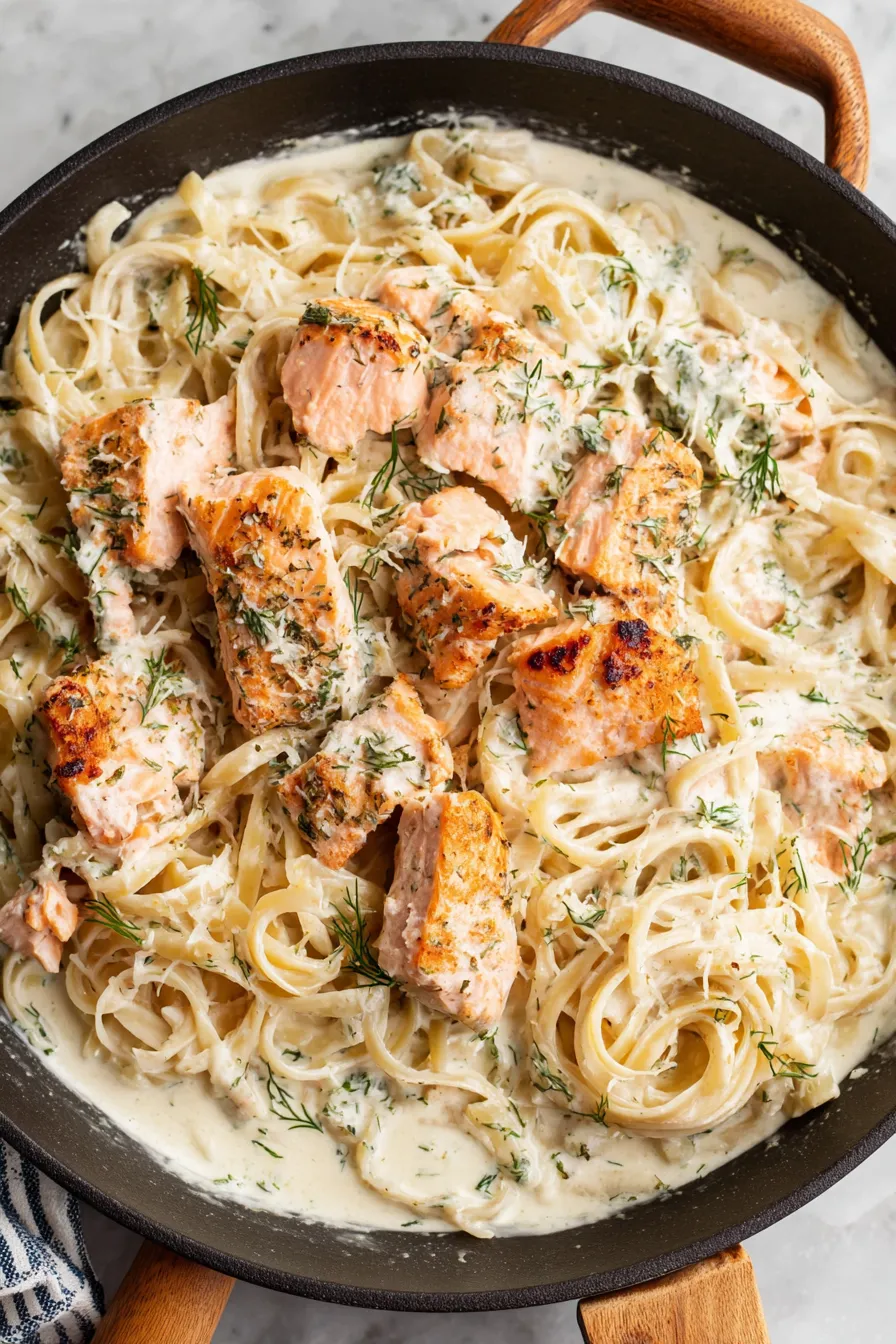
What I always appreciate about this preparation is how forgiving it is: a brief sear, a gentle simmer, and most mistakes are easy to remedy (add broth if sauce is too thick; use reserved pasta water if it’s too loose). The dill and lemon keep the dish feeling fresh even with the richness of cream, which makes it a go-to when I want comfort without heaviness.
Store leftovers in an airtight container in the refrigerator for up to 48 hours. To reheat, warm gently in a skillet over low heat with a splash of water or chicken broth to revive the sauce; avoid high heat which will cause the cream to separate and dry out the salmon. For transporting to work lunches, keep the pasta chilled and reheat in short bursts in the microwave, stirring between intervals and adding a teaspoon or two of water to maintain creaminess. Discard if left at room temperature for longer than two hours.
If you need to make swaps: use half-and-half instead of heavy cream for a lighter sauce (the texture will be slightly thinner); substitute gluten-free pasta to make the dish gluten-free and use a gluten-free flour for dredging, or skip dredging and pan simply seasoned salmon for a flour-free option. For a dairy-free variation, replace cream with canned coconut milk thinned with a little chicken stock — flavor will be different but still rich. Lemon zest adds extra brightness if you prefer more citrus punch.
Serve with a crisp green salad dressed in a simple vinaigrette to cut the richness; roasted asparagus or steamed green beans are classic side choices. For wine pairing, choose a dry white like Sauvignon Blanc or a light Chardonnay to complement lemon and cream. Garnish with chopped parsley for color and freshly grated Parmesan for umami — add the cheese sparingly to avoid overpowering the salmon’s delicate flavor. Present on warmed plates so the sauce stays glossy.
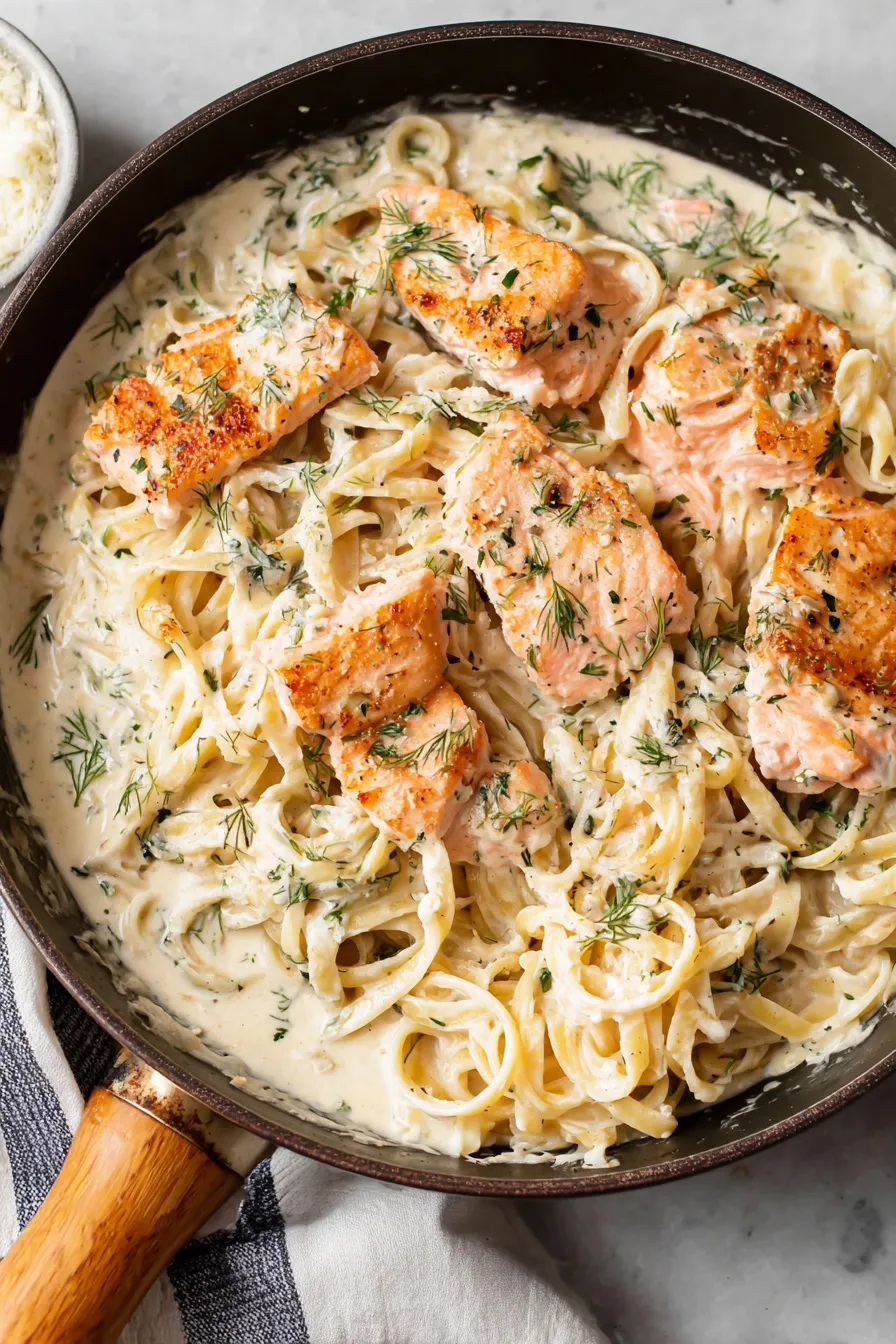
This combination draws from European coastal cooking where seafood is commonly paired with herbs and citrus to balance richness. Cream-based seafood preparations are particularly common in Northern European and Scandinavian home cooking, while herbs like dill are a staple in Nordic and Eastern European cuisines. The dish represents a contemporary, pan-Italian approach to pasta combined with a delicate seafood treatment; it’s a modern, cross-cultural plate that borrows the best techniques from several traditions.
In spring and summer, use extra lemon zest and add chopped spring peas or baby spinach to the sauce for a lighter, greener plate. In autumn and winter, swap fresh dill for tarragon for a warmer herbal note, or add a touch of smoked paprika to the dredging flour for subtle warmth. When salmon is out of season, use halibut or cod with slightly longer cooking time and adjust finish to ensure flakes remain moist.
For make-ahead convenience, cook the salmon and store it separately from the pasta and sauce; combine and warm gently just before serving to retain texture. You can also prepare the sauce up to two days in advance — reheat slowly and break the salmon into it at the last minute. Portion into individual containers with a splash of sauce to prevent pasta from drying, and use vented lids if reheating in a microwave to avoid splatters.
Share this plate with someone you enjoy cooking for; it’s simple to scale and always feels like a thoughtful, home-cooked meal. I hope this version becomes a quick favorite in your kitchen as it has in mine.
Pat the salmon dry before dredging to ensure a crisp, golden exterior.
Reserve a small cup of pasta cooking water — it helps loosen the sauce without diluting flavor.
Sear the salmon quickly on high heat to develop color, then finish cooking gently in the sauce to avoid overcooking.
This nourishing lemon dill salmon pasta recipe is sure to be a staple in your kitchen. Enjoy every moist, high protein slice — it is perfect for breakfast or as a wholesome snack any time.
This Lemon Dill Salmon Pasta recipe makes perfectly juicy, tender, and flavorful steak every time! Serve with potatoes and a side salad for an unforgettable dinner in under 30 minutes.
Bring a large pot of salted water to a boil and cook 4 ounces of pasta to al dente according to package instructions, usually 8–10 minutes. Drain and reserve about 1/4 cup cooking water before draining.
Pat 1/2 pound salmon dry, season with salt and pepper, and lightly coat both sides in all-purpose flour, shaking off excess to avoid a gummy crust.
Heat 1 tablespoon olive oil and 1 tablespoon butter in a large skillet over medium-high heat. When hot, sear the salmon 2 minutes per side until golden, then remove and set aside; the fish will finish cooking later in the sauce.
Reduce heat to medium and add 1/4 cup chicken broth or dry white wine to deglaze, scraping up browned bits. Add 2 minced garlic cloves and let bubble for about 30 seconds.
Stir in 1/2 cup heavy cream and 1 teaspoon lemon juice, then flake the salmon back into the skillet into bite-size pieces. Add 1 tablespoon chopped fresh dill and simmer gently 2–4 minutes until the fish is cooked through and the sauce has slightly thickened.
Add drained pasta to the skillet and toss to coat, adding reserved pasta water if necessary to loosen the sauce. Serve immediately with optional parsley and grated Parmesan.
Last Step: Please leave a rating and comment letting us know how you liked this recipe! This helps our business to thrive and continue providing free, high-quality recipes for you.
Leave a comment & rating below or tag
@forkelle on social media!

Thick, fudgy chocolate chunk brownies crowned with gooey mini marshmallows and a quick-set chocolate frosting for an irresistible, crowd-pleasing treat.
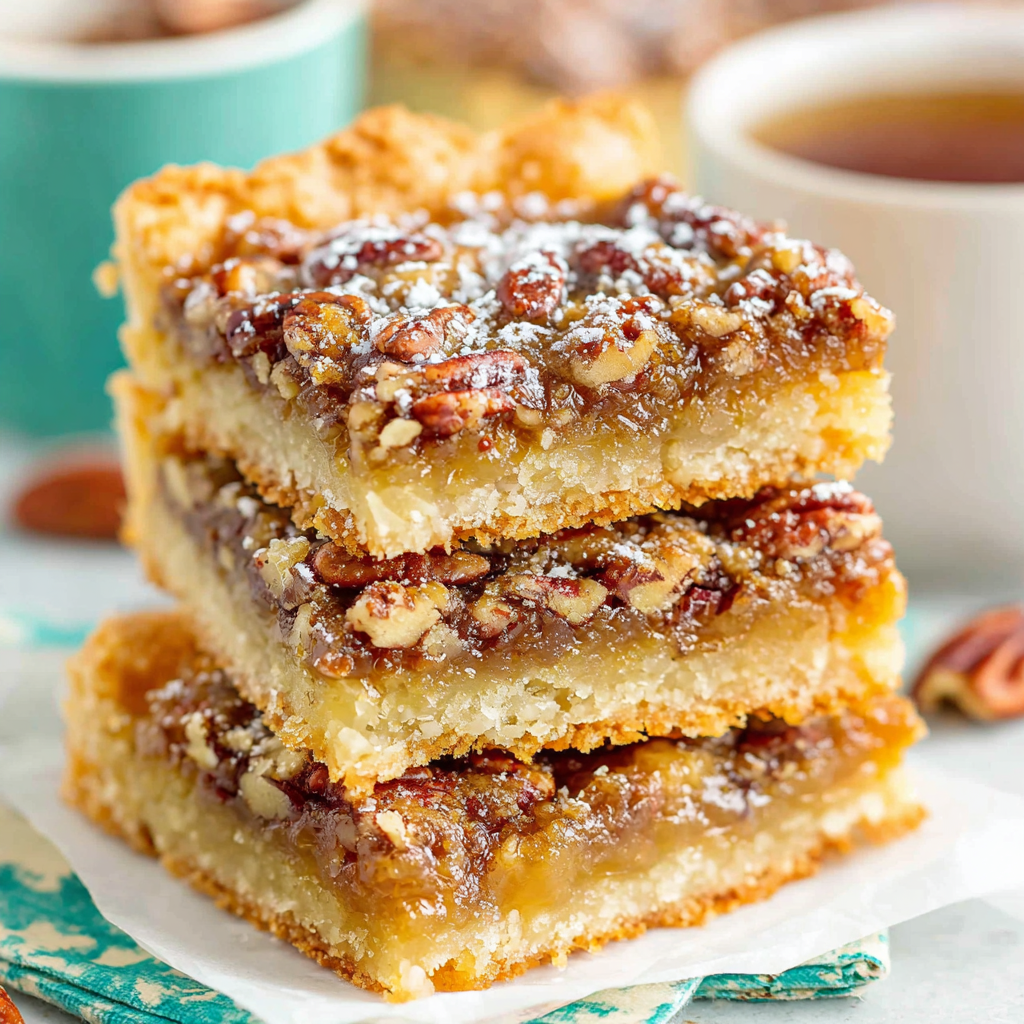
Buttery shortbread meets a gooey, brown-sugar pecan topping in these quick pecan pie bars. Just 10 minutes to prep and perfect for sharing.
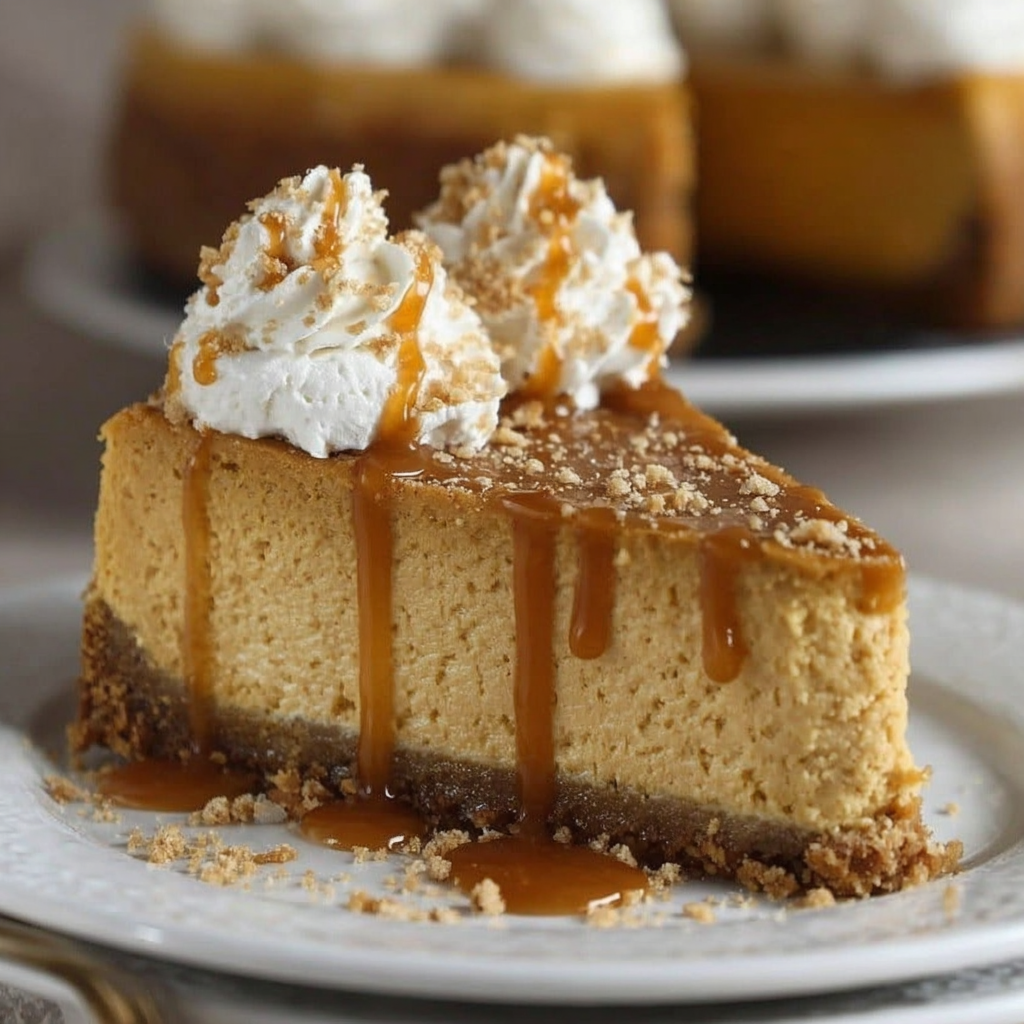
Silky, crack-free pumpkin cheesecake with warm spice, buttery graham crust, and optional caramel and rum-kissed whipped cream. Your effortless holiday showstopper.
Leave a comment & rating below or tag @forkelle on social media!
Enjoyed this recipe? Share it with friends and family, and don't forget to leave a review!
This recipe looks amazing! Can't wait to try it.
Comments are stored locally in your browser. Server comments are displayed alongside your local comments.

Join to receive our email series which contains a round-up of some of our quick and easy family favorite recipes.