
Hot Milk Cake

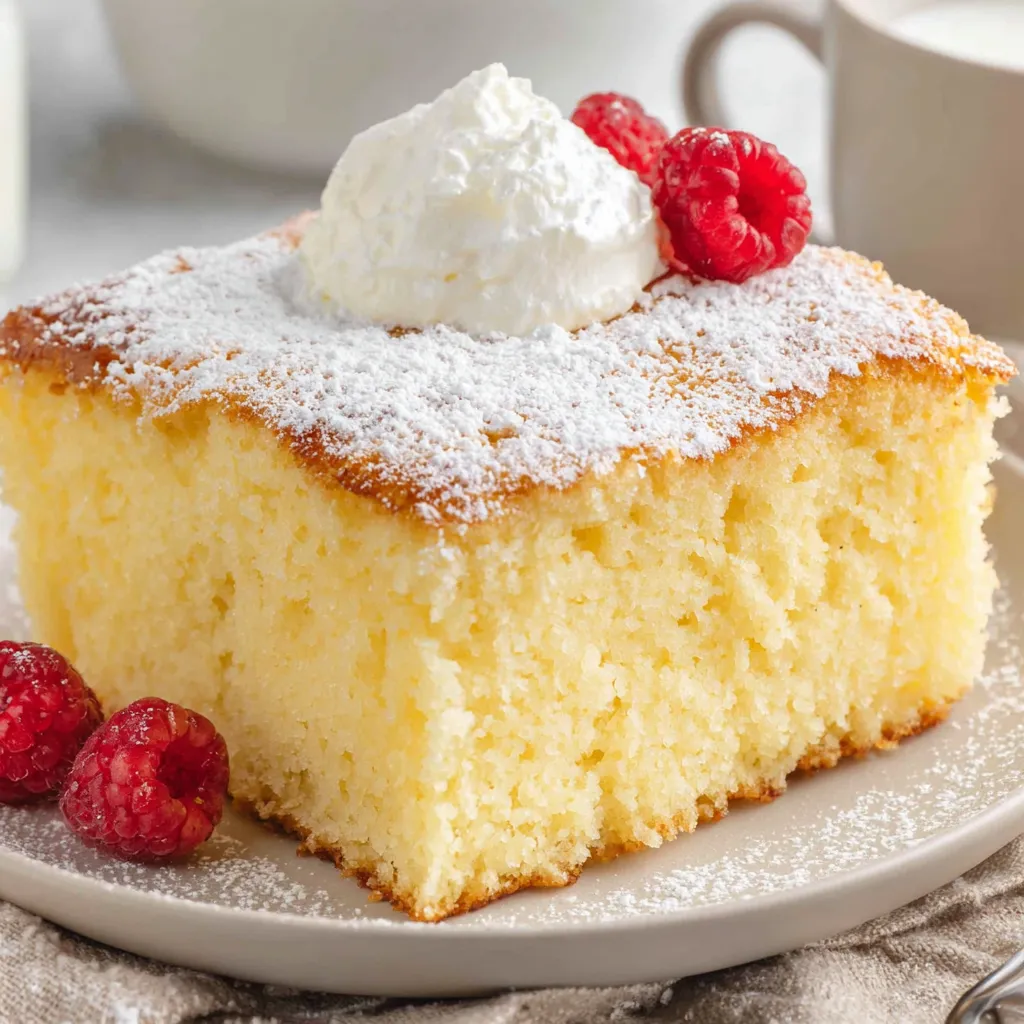
A tender, old-fashioned Hot Milk Cake with a golden top and delicate crumb — simple pantry ingredients, quick to assemble, and perfect for afternoon tea or a light dessert.
Why You'll Love This Recipe
- This cake is ready in under an hour from start to finish — about 15 minutes of active prep and 30 minutes of baking — perfect for a quick dessert.
- It relies on pantry staples (all-purpose flour, sugar, eggs, milk, butter) so you rarely need a grocery run to make it.
- The hot milk step yields a tender, almost melt-in-your-mouth crumb while keeping the top lightly crisp and golden.
- It’s extremely versatile: dust with powdered sugar, top with berries, or serve with a lemon glaze for different occasions.
- Easy to scale: a 9×13 pan yields 12 even slices, and the batter can be halved for an 8×8 pan.
- Make-ahead friendly — keeps well refrigerated for several days and freezes beautifully for longer storage.
I’ve watched this cake become a quiet star at brunches and potlucks. My in-laws always comment on how the texture reminds them of cakes their grandparents made; that small connection to memory is why I keep this one in my baking lineup. It’s a simple method with reliably charming results.
Ingredients
- Whole milk (1 cup): Use full-fat milk for richness and structure. The heat from the milk when combined with butter helps tenderize the crumb. If available, local whole milk or a brand you trust (e.g., Organic Valley) adds depth.
- Unsalted butter (½ cup / 1 stick): Provides flavor and moisture—unsalted keeps sodium predictable. If using salted, reduce any additional salt slightly.
- Pure vanilla extract (2 teaspoons): Use a good-quality vanilla for aroma; pure extract or a Madagascar variety will brighten the batter.
- All-purpose flour (2 cups, spooned and leveled): Spoon flour into the measuring cup and level to avoid packing; too much flour dries the cake.
- Baking powder (2 teaspoons): The leavening that gives the cake lift; ensure it’s fresh for the best rise.
- Table salt (½ teaspoon): Balances sweetness and enhances the butter and vanilla notes.
- Large eggs (4, room temperature): Room-temperature eggs whip better with sugar and create a lighter, pale batter when beaten properly.
- Granulated sugar (2 cups): Provides structure and the classic cake crumb. Measure carefully for the intended texture.
- Powdered sugar (2–3 tablespoons): For dusting the finished slices just before serving; optional but pretty.
Instructions
Preheat and prepare pan: Heat the oven to 350°F (177°C). Spray a 9×13-inch baking dish with a baking spray such as Baker’s Joy, or lightly butter and flour the pan. Proper pan preparation prevents sticking and ensures even browning. Warm milk and butter: In a small saucepan over medium heat, combine the whole milk and unsalted butter. Stir occasionally until the butter is fully melted and the milk just begins to steam or simmer — small bubbles at the edge but not a full boil. Remove from heat and whisk in the vanilla extract. The milk should be warm when added to the batter to help dissolve the sugar slightly and create the unique tender crumb. Whisk dry ingredients: In a medium bowl, whisk together the all-purpose flour, baking powder, and salt until uniformly combined. This distributes the leavening and prevents pockets of baking powder in the finished cake. Beat eggs and sugar: Using a stand mixer with the paddle attachment or a hand mixer, beat the room-temperature eggs and granulated sugar on medium-high for 4½ to 5 minutes. The mixture should become pale yellow, thickened, and slightly ribboning when the beater is lifted. This step incorporates air, contributing to the cake’s lift and light texture. Incorporate flour: Reduce the mixer speed to low. Add the flour mixture in about ½-cup increments, mixing just until incorporated after each addition. Overmixing at this stage develops gluten and can toughen the crumb. Add the hot milk mixture: With the mixer on low, slowly drizzle the warm milk-and-butter mixture into the batter. The batter will thin noticeably — this is expected. Mix only until evenly combined and smooth. The heat from the milk slightly warms the batter and helps the cake achieve its soft texture. Bake until golden: Pour the batter into the prepared 9×13 pan and smooth the top gently. Bake at 350°F for about 30 minutes, checking from 27 minutes onward. The top should be golden brown and a toothpick inserted into the center should come out with a few moist crumbs attached, not wet batter. Cool and finish: Allow the cake to cool completely in the pan on a wire rack before dusting with powdered sugar. Cooling fully helps the interior set for clean slices. Slice into 12 even pieces and serve.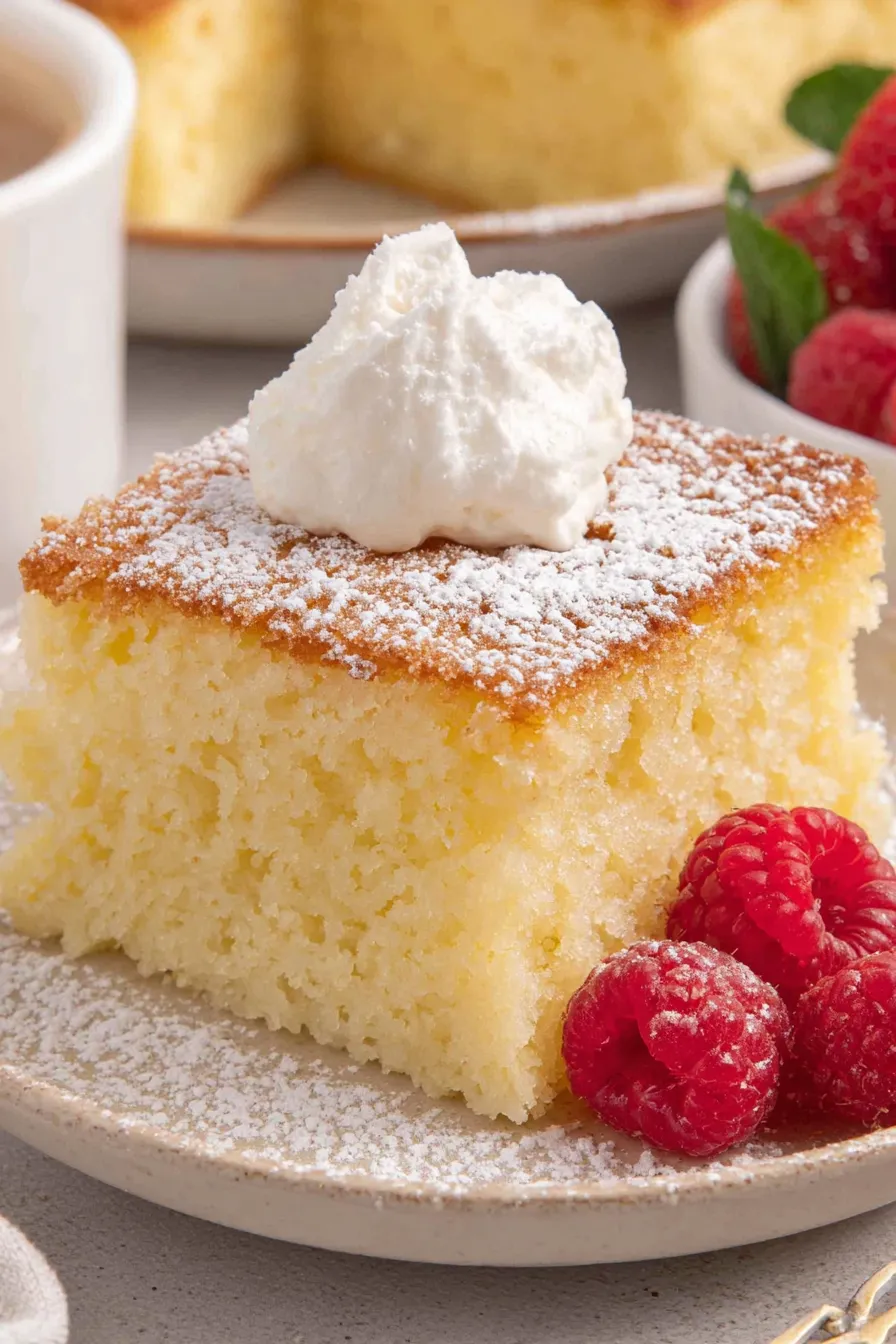
You Must Know
- High in simple carbohydrates — each slice contains a comforting amount of sugar and flour; great as an occasional treat rather than a daily snack.
- Refrigerate leftover cake covered for up to 4 days; it stays moist because of the butter and milk content.
- Freezes well for up to 3 months: wrap tightly in plastic and foil, then thaw in the refrigerator overnight before bringing to room temperature.
- Perfect for light celebrations — the delicate crumb pairs well with fruit, custard, or a drizzle of chocolate.
My favorite thing about this cake is how it bridges simple technique and impressive results. I’ve brought it to potlucks where friends asked for the recipe immediately, and it’s often requested at family brunches. Watching guests press the golden top with their fork and comment on the texture makes baking feel like a small, rewarding performance.
Storage Tips
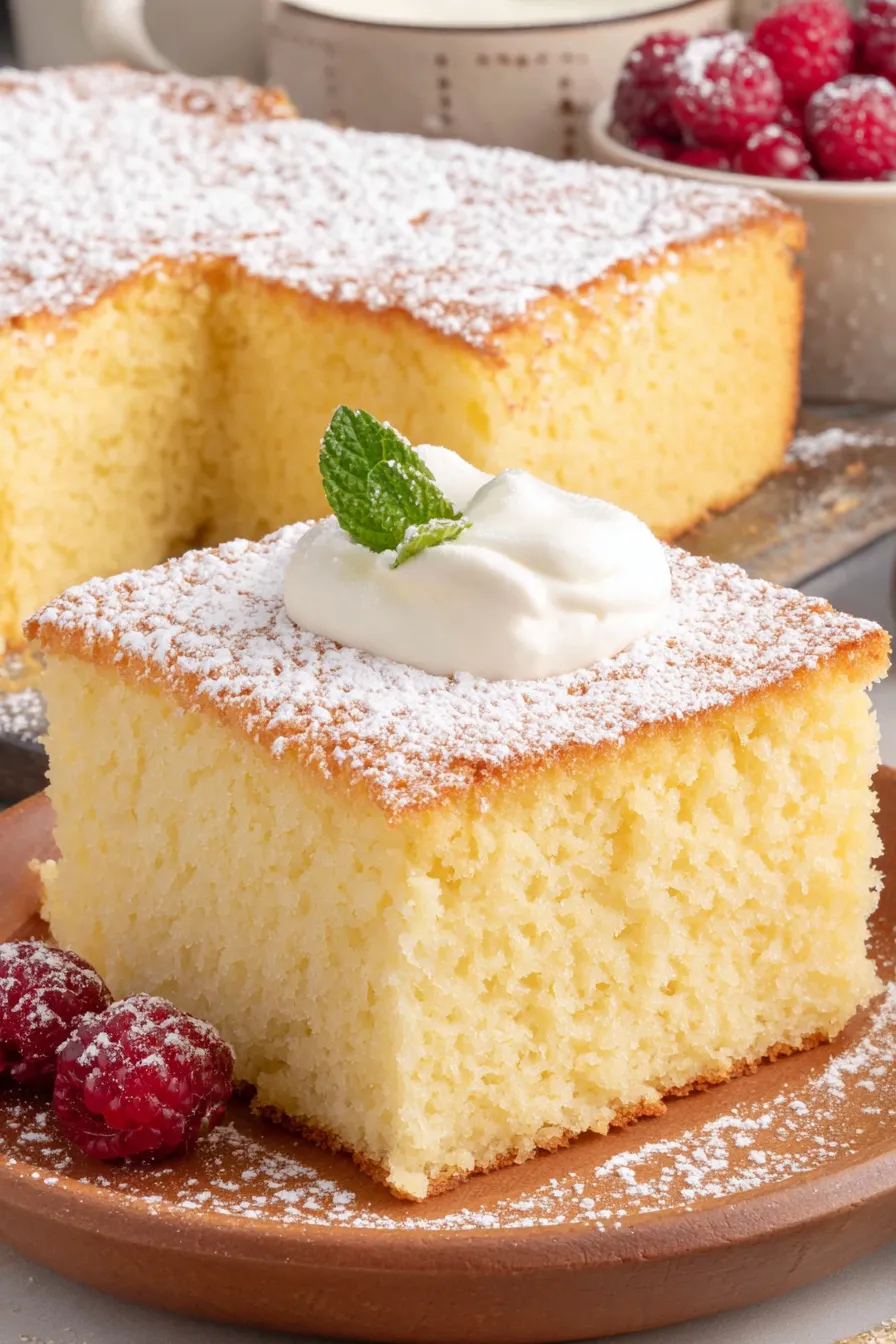
Store cooled slices in an airtight container at room temperature for up to 2 days; beyond that, refrigeration extends freshness to about 4 days. If refrigerating, let the cake come to room temperature before serving to restore the soft crumb — 20–30 minutes is usually enough. For freezing, cut into portions, wrap each slice tightly in plastic wrap, then place in a freezer-safe bag or container. To serve, thaw overnight in the refrigerator and then sit at room temperature for 30–60 minutes. Avoid reheating at high temperatures to preserve the delicate texture.
Ingredient Substitutions
If you don’t have whole milk, use 2% for a slightly lighter crumb; add 1 tablespoon of melted butter if you want to mimic the richness of whole milk. For a dairy-free adaptation, substitute unsweetened soy or oat milk and use a non-dairy butter alternative — texture will be similar but slightly less rich. Swap half the all-purpose flour with cake flour for an even finer crumb (reduce total flour weight slightly). If you need to reduce sugar, try 1¾ cups granulated sugar — the cake will be less sweet but still tender.
Serving Suggestions
Serve slices dusted with powdered sugar as a classic finish, or elevate with a scoop of vanilla ice cream and macerated berries. For brunch, pair with lemon curd or a smear of ricotta and honey for contrast. A light whipped cream flavored with a touch of orange zest complements the vanilla backbone. Garnish with thinly sliced almonds or a few mint leaves for color and texture.
Cultural Background
Hot milk cakes have roots in mid-20th-century home baking, where simple, comforting desserts were made from pantry staples. Variations appeared in American and British cookbooks, prized for their unassuming elegance and minimal ingredients. The technique of pouring warm milk into a batter is an old trick that modifies crumb structure and yields a soft, tender interior — a hallmark of many classic European and American home cakes.
Seasonal Adaptations
In spring and summer, top with fresh berries and a dollop of whipped cream. For autumn, add a teaspoon of cinnamon and a pinch of nutmeg to the dry mix and serve with spiced apple compote. During the holidays, brush the warm top with a thin simple syrup infused with citrus zest or bourbon to add shine and aroma. These small tweaks adapt the cake to seasonal flavors while keeping the core technique intact.
Meal Prep Tips
Make the batter in the morning for an easy afternoon dessert: once baked and cooled, store wrapped in the refrigerator. For grab-and-go portions, slice into individual servings and wrap each in parchment before placing in an airtight container. This cake is forgiving for bulk prep and reheats well for 10–15 seconds in the microwave to revive softness without drying.
There’s a quiet joy in making this Hot Milk Cake — it’s one of those recipes that transforms simple moments into shared memories. Try it plain the first time to appreciate the texture, then experiment with flavors that suit your table. Baking is, after all, a conversation between ingredients and technique.
Pro Tips
Measure flour by spooning into the measuring cup and leveling with a knife to avoid overpacking.
Beat the eggs and sugar until pale and ribboning — this incorporates air for lift.
Add the warm milk slowly and keep the mixer on low to prevent splattering and overmixing.
This nourishing hot milk cake recipe is sure to be a staple in your kitchen. Enjoy every moist, high protein slice — it is perfect for breakfast or as a wholesome snack any time.
FAQs about Recipes
Why should the eggs be at room temperature?
Room-temperature eggs whip better with sugar and give a lighter texture; cold eggs may produce a denser crumb.
Can I freeze this cake?
Yes — the cake freezes well for up to 3 months when wrapped tightly. Thaw overnight in the refrigerator.
Tags
Hot Milk Cake
This Hot Milk Cake recipe makes perfectly juicy, tender, and flavorful steak every time! Serve with potatoes and a side salad for an unforgettable dinner in under 30 minutes.
Ingredients
Wet ingredients
Dry ingredients
Finishing
Instructions
Preheat and Prepare Pan
Preheat oven to 350°F and spray a 9×13-inch baking dish with baking spray or butter and flour. Proper pan prep ensures even browning and easy removal.
Warm Milk and Butter
In a small saucepan over medium heat, melt the butter into the milk and warm until just simmering. Remove from heat and stir in vanilla. The warm mixture is key to the cake's tender crumb.
Combine Dry Ingredients
Whisk together the flour, baking powder, and salt in a medium bowl to distribute leavening evenly and prevent lumps.
Beat Eggs and Sugar
Using a stand mixer or hand mixer, beat the eggs and granulated sugar on medium-high for 4½–5 minutes until pale yellow and thick. This aerates the batter for lift.
Incorporate Flour
With the mixer on low, add the flour mixture in ½-cup increments, mixing just until combined to avoid over-developing gluten.
Add Warm Milk
Slowly drizzle the warm milk and butter into the batter while the mixer runs on low. The batter will thin; mix only until even.
Bake
Pour batter into prepared pan and bake at 350°F for about 30 minutes, checking at 27 minutes. The cake is done when the top is golden and a toothpick shows a few moist crumbs.
Cool and Serve
Cool completely on a wire rack, dust with powdered sugar, slice into 12 pieces, and serve. Cooling completely ensures clean slices.
Last Step: Please leave a rating and comment letting us know how you liked this recipe! This helps our business to thrive and continue providing free, high-quality recipes for you.
Nutrition
Did You Make This?
Leave a comment & rating below or tag
@forkelle on social media!
Categories:
You might also like...
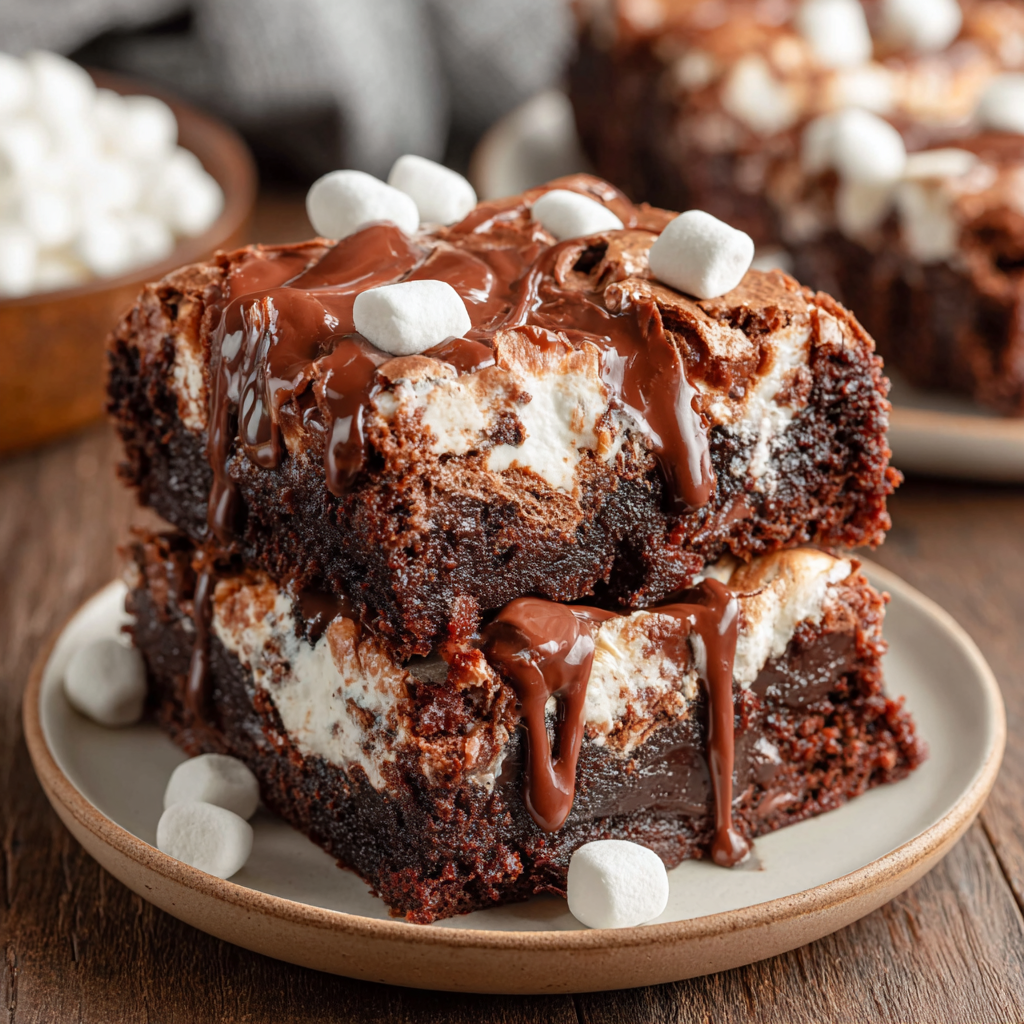
Marshmallow Frosted Chocolate Brownies
Thick, fudgy chocolate chunk brownies crowned with gooey mini marshmallows and a quick-set chocolate frosting for an irresistible, crowd-pleasing treat.
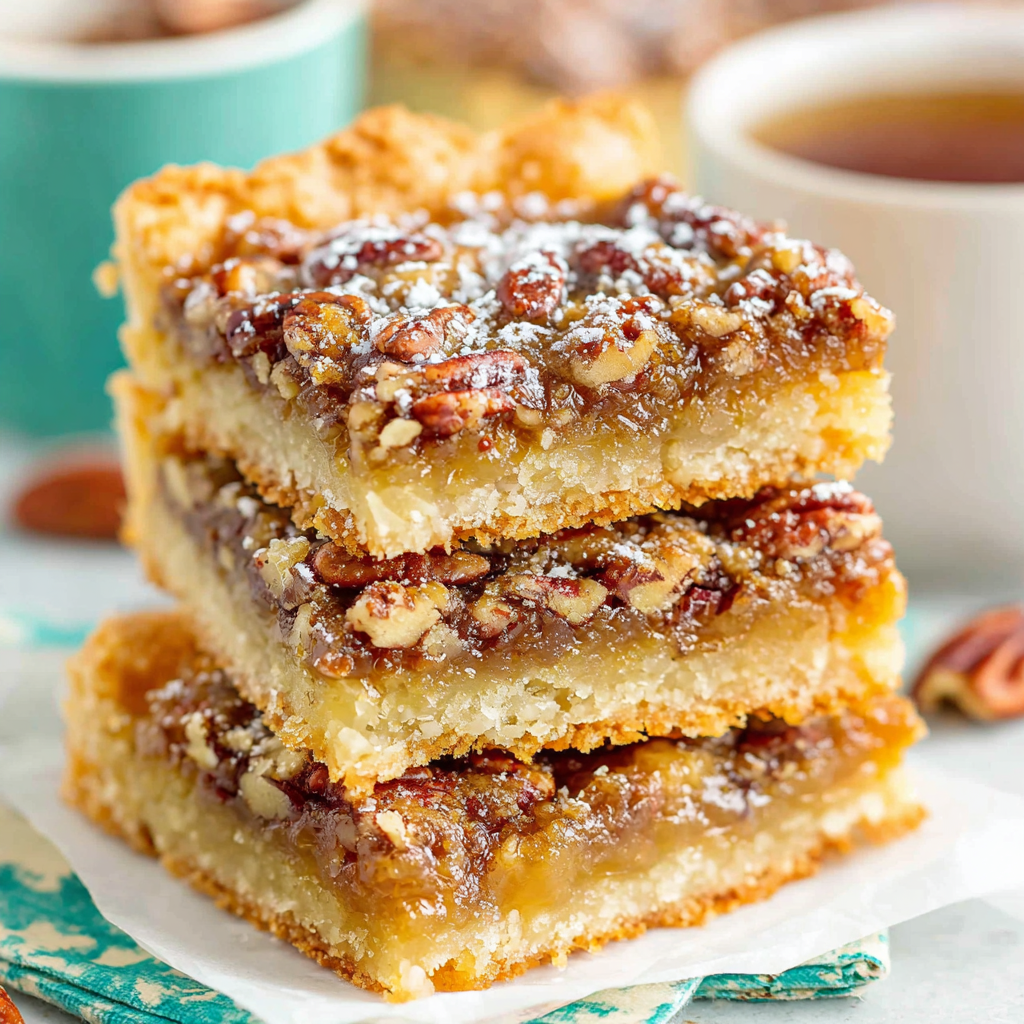
Buttery Pecan Pie Bars
Buttery shortbread meets a gooey, brown-sugar pecan topping in these quick pecan pie bars. Just 10 minutes to prep and perfect for sharing.
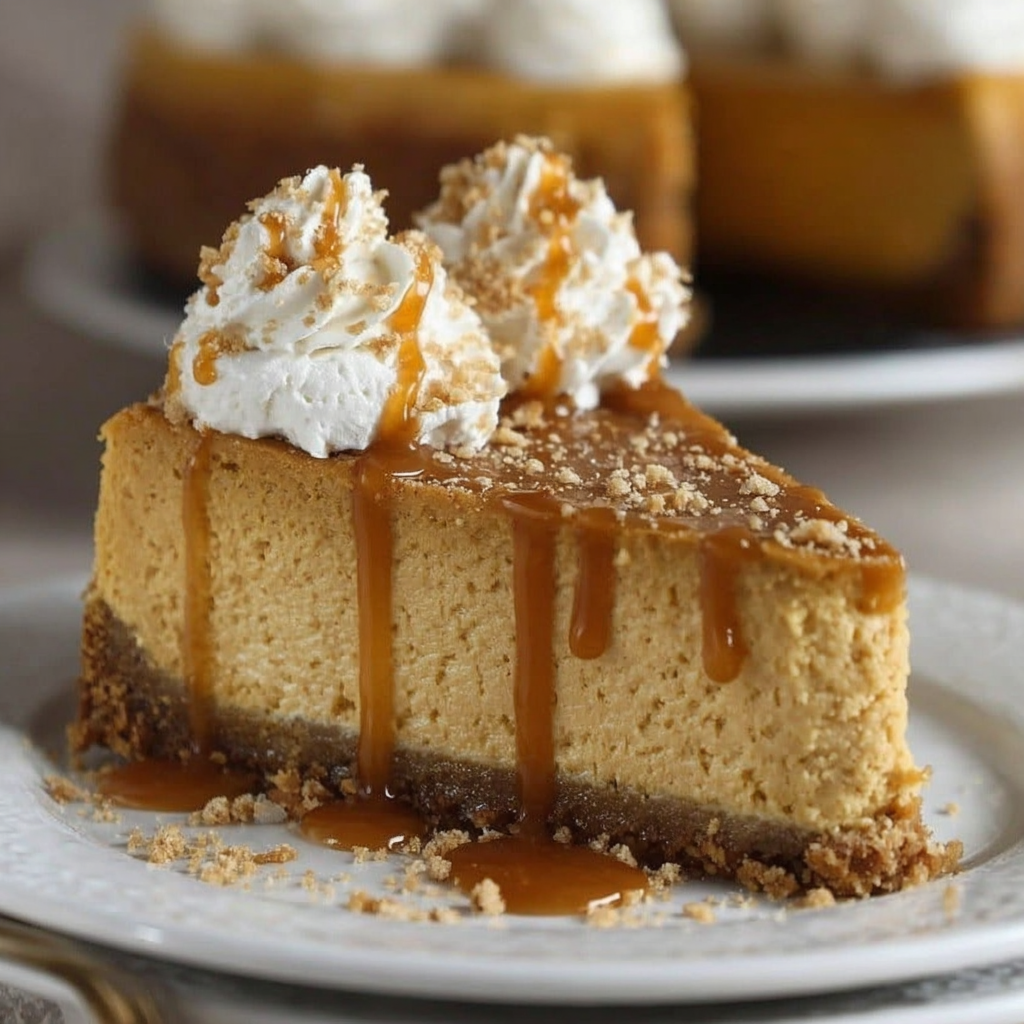
Failproof Pumpkin Cheesecake
Silky, crack-free pumpkin cheesecake with warm spice, buttery graham crust, and optional caramel and rum-kissed whipped cream. Your effortless holiday showstopper.
Did You Make This?
Leave a comment & rating below or tag @forkelle on social media!
Rate This Recipe
Share This Recipe
Enjoyed this recipe? Share it with friends and family, and don't forget to leave a review!
Comments (1)
This recipe looks amazing! Can't wait to try it.
Comments are stored locally in your browser. Server comments are displayed alongside your local comments.

Hi, I'm Abigail!
What's Popular

30-Minute Meals!
Join to receive our email series which contains a round-up of some of our quick and easy family favorite recipes.