
German Soft Pretzel Sticks

Homemade soft pretzel sticks with a tender interior, crisp mahogany crust, and that classic baking-soda tang—perfect for dipping and sharing.
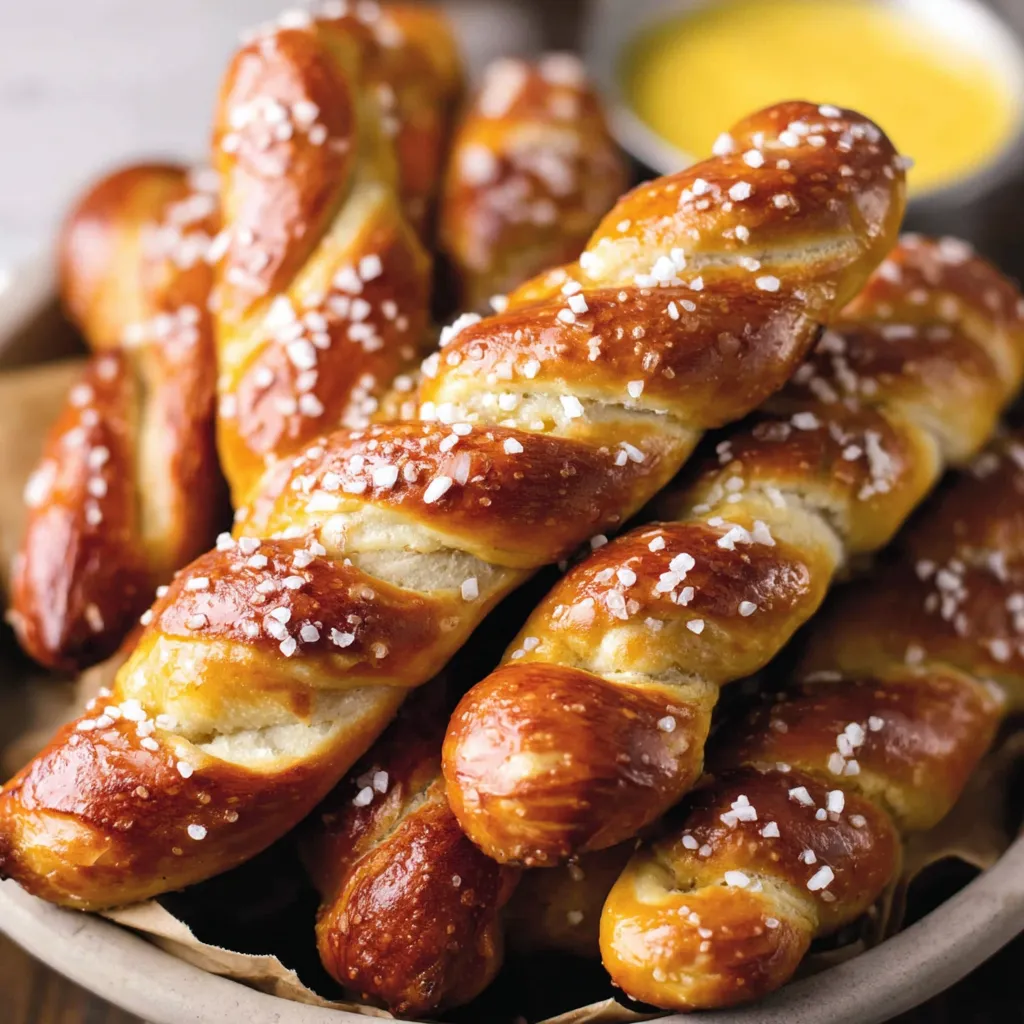
This recipe for German soft pretzel sticks is one I return to whenever I want a warm, crowd-pleasing snack that brings people together. I first discovered this method during a weekend baking marathon while trying to recreate the bakery pretzels I loved on a trip to Munich. The first batch came out with a glossy, deep-brown crust and a pillowy interior—an instant hit. Every time I bake them now, the house fills with that unmistakable bready aroma and the kids gather around the counter, eager for the salt-sprinkled bites.
What makes these sticks special is the balance between a chewy interior and a crisp exterior achieved by a quick baking-soda bath before baking. The dough is enriched with a touch of brown sugar and oil for tenderness and a subtle caramel note. Shaping them into sticks keeps the process simple, speeds up baking, and creates the ideal vehicle for coarse sea salt and dips like mustard or beer cheese. These are the kind of snacks that disappear fast at parties and make weekday afternoons feel like a celebration.
Why You'll Love This Recipe
- Hands-on time is manageable: about 30–40 minutes active time with a predictable rise schedule so you can plan other tasks while the dough proofs.
- Uses pantry-friendly ingredients—flour, brown sugar, oil, yeast, baking soda—so you can usually bake them on a whim without a special trip to the store.
- Shaping into sticks speeds up baking and yields uniform pieces perfect for parties, lunchboxes, or snacking; the method produces 24 sticks in a single batch.
- Make-ahead friendly: dough can be refrigerated overnight for convenience, or the sticks can be boiled and frozen prior to baking for quick future snacks.
- Versatile for dietary tweaks: swap oils, use different salts, or top with seeds for variation while keeping the classic texture intact.
I remember the first time I made these for a neighborhood gathering—the platter emptied within twenty minutes. My neighbor asked for the recipe, and another friend insisted I bring them to every potluck. The simple formula rewards attention to small details—water temperature, a gentle knead, and watchful boiling—and that's where these pretzel sticks really shine.
Ingredients
- Light brown sugar: Use 1/2 cup for a subtle caramel sweetness that helps feed the yeast and deepens the crust color. I prefer a softly packed light brown sugar; if you only have dark, reduce quantity slightly to avoid overpowering the dough.
- Warm water (about 110°F): 2 cups provide the liquid base and the right temperature to activate the yeast. Use a thermometer for consistency; water that’s too hot will kill the yeast, too cool will lengthen the rise.
- Active dry yeast: 5 1/2 teaspoons (roughly 2 packets). Always check the expiration date and proof it—bubbly foam confirms the yeast is alive and ready.
- Vegetable or canola oil: 1/4 cup adds tenderness and keeps the interior soft. Neutral oil allows the pretzel flavor to stand out.
- All-purpose flour: 5 3/4 cups plus extra for kneading. I measure by spooning into the cup and leveling with a knife for an accurate dough structure; too much flour yields dense sticks.
- Baking soda: 3/4 cup for the alkaline bath. This is the single most important step for achieving that classic mahogany crust and slightly tangy bite.
- Water for bath: 2 quarts plus 1 cup hot to maintain simmering temperature between batches.
- Egg wash: 1 large egg beaten with 1 tablespoon water gives a glossy finish that helps coarse salt adhere.
- Butter: 1 tablespoon to lightly butter parchment and add a whisper of richness to the bottom crust.
- Coarse sea salt: For sprinkling—choose a flaky, crunchy salt to contrast the soft interior.
Instructions
Activate Yeast: In a large mixing bowl, dissolve 1/2 cup light brown sugar into 2 cups warm water at about 110°F. Sprinkle 5 1/2 teaspoons active dry yeast over the surface and let sit 5 minutes until foamy. Foaming confirms active yeast; if it doesn’t foam, start with fresh yeast. Prepare Dough: Stir in 1/4 cup vegetable oil and 3 cups of the 5 3/4 cups all-purpose flour. With the stand mixer fitted with a dough hook, gradually add the remaining 2 3/4 cups flour while mixing on low. Mix on medium speed about 3 minutes until smooth and slightly tacky. Add up to 1/4 cup more flour only if the dough is unmanageably sticky—aim for a soft, slightly springy texture. First Rise: Transfer the dough to a greased bowl, cover tightly with plastic wrap, and allow it to rise at room temperature until doubled, about 45 minutes. The doubled volume and a slight indentation when poked are your visual cues that it’s ready. Preheat & Prep Baking Sheets: Preheat the oven to 450°F. Line three large baking sheets with parchment paper and brush the parchment lightly with 1 tablespoon softened butter to prevent sticking and promote bottom browning. Shape Pretzel Sticks: Punch down the risen dough onto a floured surface and knead briefly to remove large air pockets. Divide into 24 equal pieces and roll each into a 7–8 inch long, 1/2 inch thick stick. Place sticks on prepared sheets at least 2 inches apart and let them rest, uncovered, until puffed—about 25 minutes. Prepare Baking Soda Bath: In a large, deep skillet or wide pot bring 2 quarts water and 3/4 cup baking soda to a boil, then reduce to a simmer. Keep 1 cup hot water at the ready to add between batches to maintain temperature. The alkaline bath forms the pretzel crust and color. Boil Pretzel Sticks: Working 6 sticks at a time, use slotted spoons to lower them into the simmering baking soda water. Boil 30 seconds total, turning once after 15 seconds. Remove and drain briefly on paper towels. Add hot water as needed to keep the pot at a steady simmer between batches. Apply Egg Wash & Salt: Return the boiled sticks to the baking sheets, brush generously with the beaten egg and water wash, and sprinkle coarse sea salt evenly. The egg wash aids browning and helps salt adhere. Bake: Bake in the preheated oven for about 10 minutes, or until deep golden brown and crisp. Rotate sheets if needed for even coloring. Remove and cool a few minutes before serving. Serve: Serve warm or at room temperature with mustard, beer cheese, or your favorite dip. These taste best the day they are baked but remain enjoyable reheated.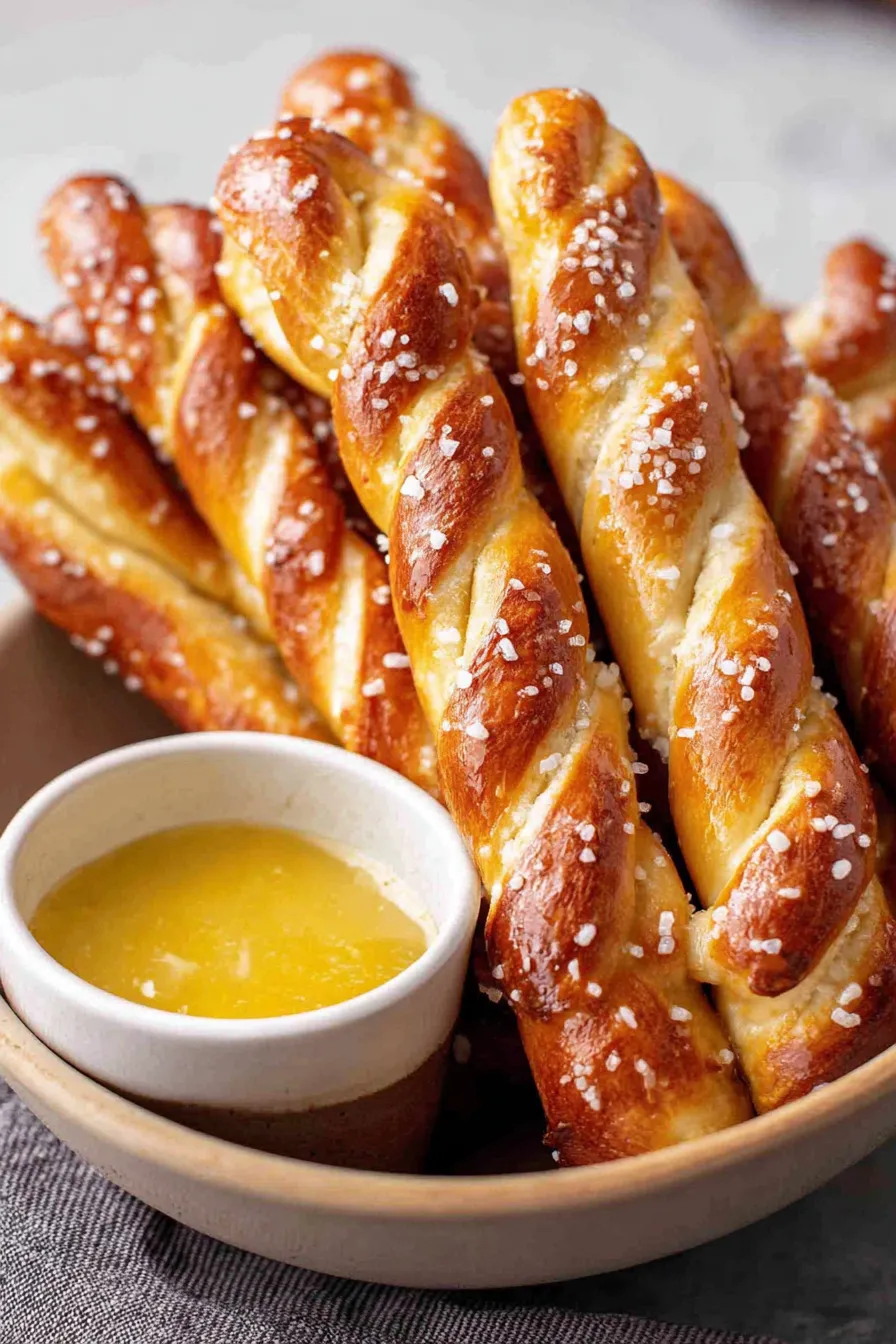
You Must Know
- These sticks freeze well: par-bake or boil then flash-freeze on a tray and store in an airtight bag for up to 3 months.
- High in carbohydrates and a modest amount of protein—an excellent hearty snack but not low-carb friendly.
- Store at room temperature for up to 2 days in a paper bag to keep crust slightly crisp; refrigerating will speed staling.
- Use coarse sea salt for the best textural contrast; finely ground salt will dissolve and reduce the signature crunch.
My favorite part of this process is the baking-soda bath—the instant transformation it gives the dough into something that looks and tastes like a classic pretzel. Family members always comment on that deep color and the glossy sheen after baking. Over the years I’ve learned to watch the boiling pot closely and keep batches small so the water doesn’t cool; it’s the single step where attention pays off most.
Storage Tips
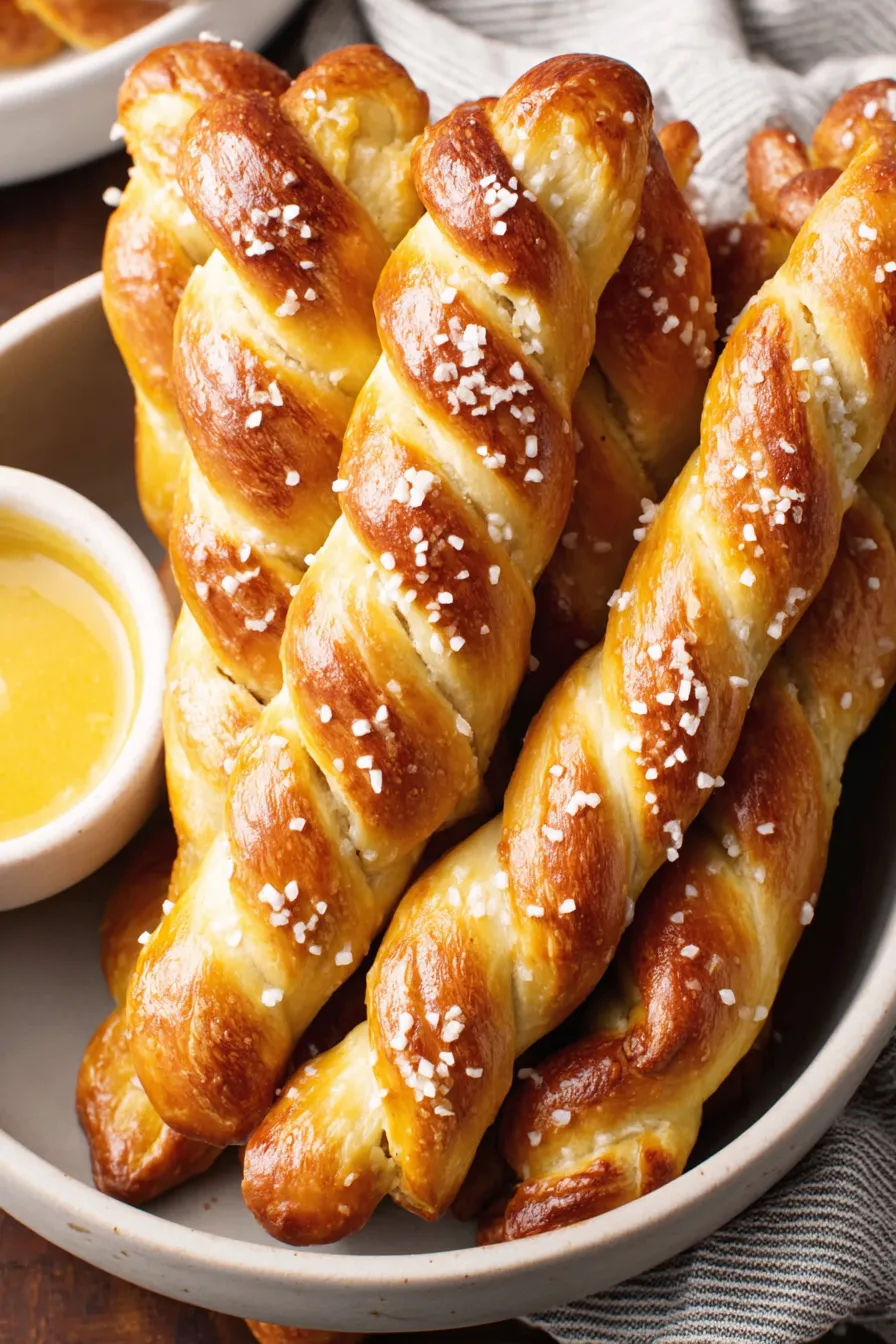
For short-term storage, place cooled sticks in a paper bag at room temperature for up to 48 hours; this keeps the crust from getting soggy. For longer storage, flash-freeze the boiled or baked sticks individually on a tray, then transfer to a resealable freezer bag for up to 3 months. To reheat frozen sticks, thaw briefly and bake at 350°F for 6–8 minutes, or re-crisp in a 375°F oven for 4–6 minutes. Avoid refrigerating for long periods—moisture accelerates staleness in yeast breads.
Ingredient Substitutions
Swap white granulated sugar for brown if you’re out—use slightly less granulated sugar to avoid dryness. You can replace vegetable oil with melted butter for a richer flavor (use the same volume). For a whole-wheat variation, replace up to half the all-purpose flour with white whole wheat and expect a denser stick and slightly nuttier flavor; add a tablespoon or two of extra water if the dough feels dry. For a dairy-free version, use oil as directed and omit the butter when preparing parchment.
Serving Suggestions
These sticks pair wonderfully with classic German mustard, warm beer cheese, or a simple herbed cream-cheese dip. For a party platter, serve with sliced smoked sausages, pickles, and a bowl of sharp cheddar dip. Garnish with fresh chopped chives or caraway seeds for a rustic twist. They’re perfect alongside soups like beer cheese or a hearty potato-leek, and make a fun accompaniment to an Oktoberfest-themed spread.
Cultural Background
Pretzels are a deeply rooted part of German baking tradition, with origins tracing back to medieval monasteries in Europe. The distinctive shiny crust stems from alkaline treatments—traditionally lye—followed by baking. Home cooks use a baking-soda bath for a safe, approachable version that reproduces the characteristic color and flavor. Shaping into sticks is a modern convenience derived from hand-twisted pretzels but retains the classic taste profile.
Seasonal Adaptations
In cooler months, add warming spices like a pinch of smoked paprika in the egg wash for a subtle smoky note, or serve with a cinnamon-honey butter for a sweet-salty holiday twist. Spring and summer call for lighter dips: herb yogurt or fresh-chive cream cheese. For game-day gatherings, brush sticks with garlic butter after baking and finish with grated Parmesan for a savory crowd-pleaser.
Meal Prep Tips
For make-ahead convenience, prepare the dough the night before and refrigerate it tightly covered; allow it to come to room temperature and finish rising before shaping. Alternatively, boil sticks and freeze them unbaked—when guests arrive, brush with egg wash and bake straight from frozen, adding a couple of extra minutes to the bake time. Label frozen batches with dates and batch counts to rotate through your freezer easily.
These pretzel sticks embody the joy of hands-on baking with a reliably delicious payoff. Whether you’re baking for a family snack, a party, or to practice dough skills, this method delivers consistent results and plenty of warm smiles. Make a batch, invite a friend over, and enjoy the simple pleasure of breaking bread together.
Pro Tips
Use a thermometer to keep water at about 110°F when activating yeast; consistent temperature is key to predictable rises.
Keep boiling batches small (4–6 sticks) so the bath temperature remains steady for even crust development.
Brush the parchment lightly with butter to prevent sticking and to help the bottoms brown evenly in the oven.
If the dough feels too sticky after the initial knead, add flour 1 tablespoon at a time—avoid over-flouring which yields dense sticks.
Flash-freeze boiled sticks on a tray before storing in freezer bags to prevent them from sticking together.
This nourishing german soft pretzel sticks recipe is sure to be a staple in your kitchen. Enjoy every moist, high protein slice — it is perfect for breakfast or as a wholesome snack any time.
FAQs about Recipes
What if my yeast doesn’t foam?
Yes. If your yeast doesn’t foam when proofed, the yeast is likely inactive. Start with fresh yeast and ensure the water is about 110°F.
How do I keep the baking soda bath hot between batches?
Boil in a large shallow pot to keep the water at a steady simmer. Add hot water between batches to maintain temperature.
Tags
German Soft Pretzel Sticks
This German Soft Pretzel Sticks recipe makes perfectly juicy, tender, and flavorful steak every time! Serve with potatoes and a side salad for an unforgettable dinner in under 30 minutes.
Ingredients
Dough
Baking Soda Bath
Finishing
Instructions
Activate Yeast
Dissolve 1/2 cup light brown sugar in 2 cups warm water (about 110°F). Sprinkle 5 1/2 teaspoons active dry yeast over the surface and wait 5 minutes until foamy.
Prepare Dough
Stir in 1/4 cup vegetable oil and 3 cups flour, then gradually add remaining 2 3/4 cups flour while mixing. Knead on medium speed about 3 minutes until smooth and slightly tacky; add up to 1/4 cup more flour if necessary.
First Rise
Transfer to a greased bowl, cover tightly, and let rise at room temperature until doubled in size, about 45 minutes.
Preheat & Prep
Preheat oven to 450°F. Line three baking sheets with parchment and lightly butter the parchment.
Shape Sticks
Punch down dough, divide into 24 pieces, and roll each into a 7–8 inch stick roughly 1/2 inch thick. Place on sheets 2 inches apart and let rest until puffed, about 25 minutes.
Prepare Baking Soda Bath
Bring 2 quarts water and 3/4 cup baking soda to a boil, reduce to a simmer, and keep 1 cup hot water ready to maintain temperature.
Boil Sticks
Boil 6 sticks at a time for 30 seconds total, turning once after 15 seconds. Drain on paper towels and repeat, adding hot water to maintain simmer.
Egg Wash & Salt
Return sticks to the baking sheets, brush with beaten egg and water, and sprinkle coarse sea salt.
Bake
Bake at 450°F for about 10 minutes until deep golden brown and crisp. Cool briefly before serving.
Serve
Serve warm or at room temperature with mustard or cheese dip. Store extras as instructed for best texture.
Last Step: Please leave a rating and comment letting us know how you liked this recipe! This helps our business to thrive and continue providing free, high-quality recipes for you.
Nutrition
Did You Make This?
Leave a comment & rating below or tag
@forkelle on social media!
Categories:
You might also like...
Marshmallow Frosted Chocolate Brownies
Thick, fudgy chocolate chunk brownies crowned with gooey mini marshmallows and a quick-set chocolate frosting for an irresistible, crowd-pleasing treat.
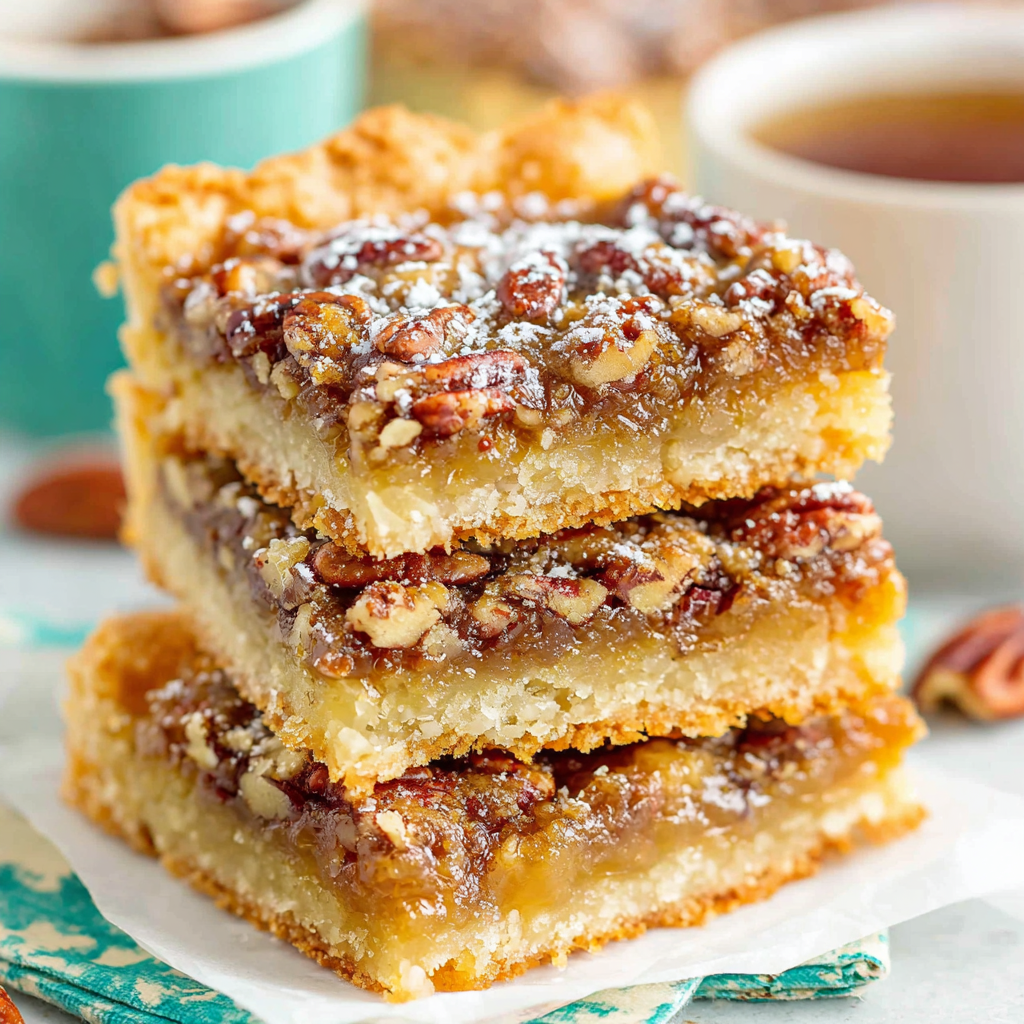
Buttery Pecan Pie Bars
Buttery shortbread meets a gooey, brown-sugar pecan topping in these quick pecan pie bars. Just 10 minutes to prep and perfect for sharing.
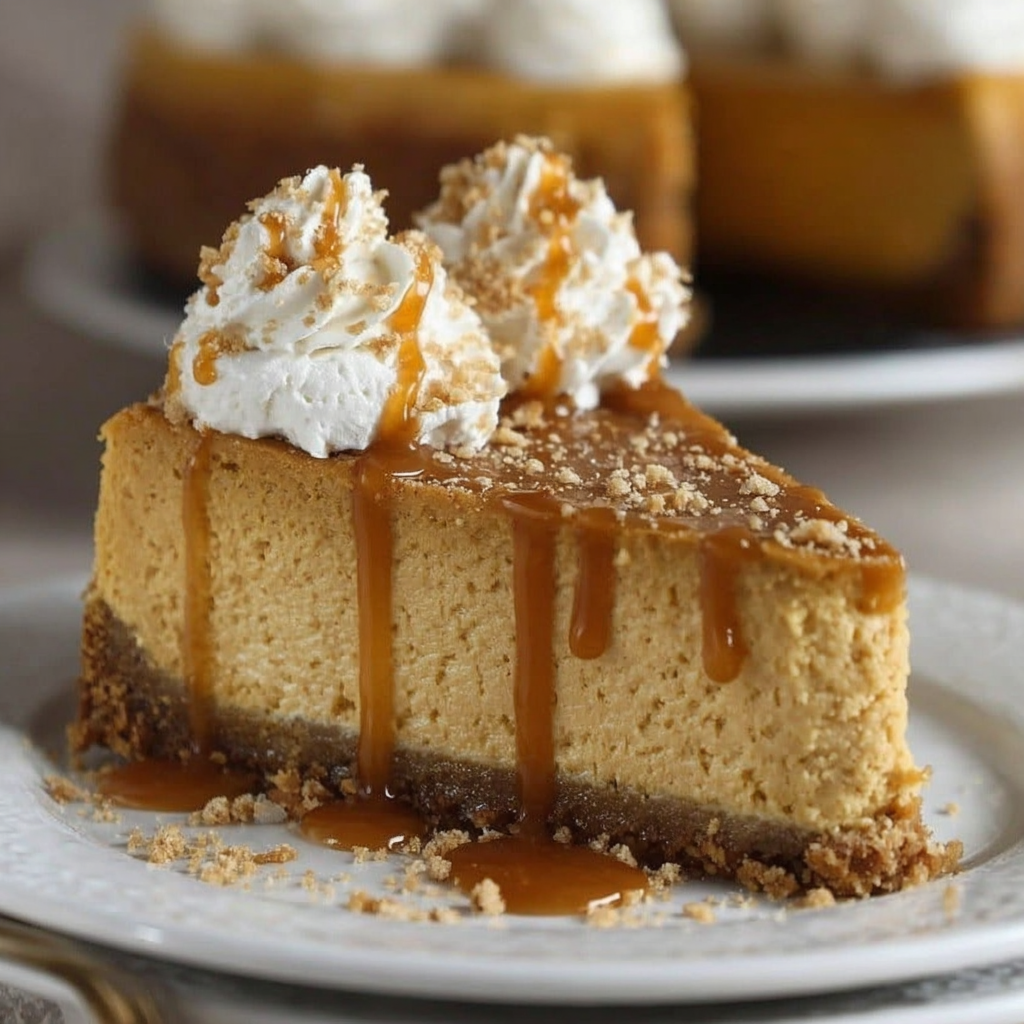
Failproof Pumpkin Cheesecake
Silky, crack-free pumpkin cheesecake with warm spice, buttery graham crust, and optional caramel and rum-kissed whipped cream. Your effortless holiday showstopper.
Did You Make This?
Leave a comment & rating below or tag @forkelle on social media!
Rate This Recipe
Share This Recipe
Enjoyed this recipe? Share it with friends and family, and don't forget to leave a review!
Comments (1)
This recipe looks amazing! Can't wait to try it.
Comments are stored locally in your browser. Server comments are displayed alongside your local comments.

Hi, I'm Abigail!
What's Popular
30-Minute Meals!
Join to receive our email series which contains a round-up of some of our quick and easy family favorite recipes.