
Easy Roast Turkey

A straightforward, reliable roast turkey with herb butter and simple aromatics that yields juicy meat and golden skin — perfect for holidays or a special family dinner.
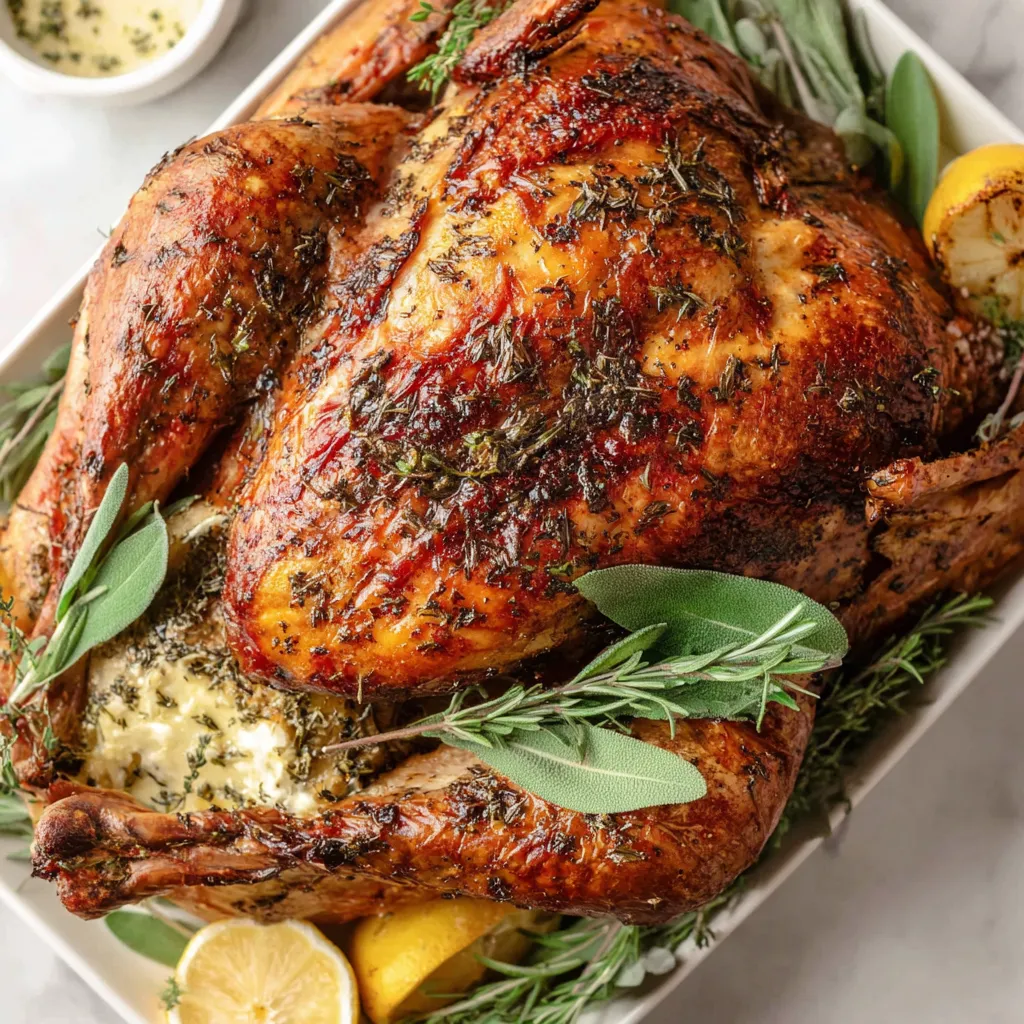
This roast turkey has been my holiday anchor for years: simple, forgiving, and reliably delicious. I first developed this method on a hectic Thanksgiving when time and energy were limited but expectations were high. The combination of softened herb butter under and over the skin, a lemon tucked inside the cavity, and a low-and-slow roast after a high-temperature start gave me the best balance of crisp, golden skin and juicy thigh meat. It became the centerpiece of many gatherings because it required minimal babysitting and always returned compliments.
I like to prepare this bird when I want a show-stopping main without complicated steps. The flavors are straightforward: rich butter flavoured with fresh sage, thyme, rosemary and garlic, with bright lemon and extra aromatics inside the cavity. The technique relies on heat control and resting time rather than frequent basting, so the result is tender, evenly cooked meat with a concentrated turkey flavor. Over the years my family learned to trust this method — the turkey comes out moist, the pan drippings are perfect for gravy, and there’s usually a second helping on every plate.
Why You'll Love This Recipe
- Reliable timing: a simple rule of thumb of 13 minutes per pound at 350 degrees Fahrenheit makes planning easy.
- Panfry-free finishing: start at high heat for crisping, then lower to finish evenly so you don’t need to baste repeatedly.
- Simple herb butter delivers deep flavor without complicated marinades or brines.
- Uses pantry and garden staples—butter, fresh herbs, garlic, and lemon—so ingredients are easy to source.
- Great for make-ahead prep: herb butter can be mixed a day ahead and the turkey rested after roasting for effortless serving.
- Pan drippings are perfect for a quick gravy while the bird rests, saving time and capturing maximum flavor.
In my experience, guests notice the scent before they taste the meat. I remember one dinner where the golden skin arrived at the table and my niece declared it the best turkey she’d ever had. That moment cemented this as my go-to approach: it’s simple enough for a busy cook and special enough for celebrations.
Ingredients
- Whole turkey (14 to 16 pounds): Choose a fresh or fully thawed bird for even cooking. Look for a plump, even-shaped turkey; a 14-16 lb bird feeds about 8 to 10 people. If buying fresh, check the packing date; for frozen, allow adequate thawing time in the refrigerator.
- Unsalted butter (1 cup / 2 sticks), softened: Unsalted butter lets you control seasoning and produces a silky herb butter that spreads easily under the skin and over the exterior.
- Fresh herbs (sage, thyme, rosemary): One tablespoon each, finely chopped. Fresh herbs are key here — they give a bright, aromatic lift that dried herbs can’t match. If using dried, reduce to one-third of the quantity and expect a milder aroma.
- Garlic (4 cloves plus 1 head for cavity): Minced into the butter and whole cloves placed inside the cavity for gentle roasting and mellow garlic flavor.
- Salt and black pepper: About 1 teaspoon salt reserved for the cavity plus seasoning to taste on the exterior. The herb butter contains salt, so be measured in overall seasoning.
- Lemon (1): Halved and placed inside the bird to add bright acidity and aromatic steam that keeps breast meat flavorful.
Instructions
Bring turkey and butter to room temperature: Remove the turkey from the refrigerator and let it rest on a baking sheet for about 1 hour to reduce chill. This promotes even cooking. Meanwhile, leave the butter out so it softens to spreadable consistency; cold butter will tear the skin and won’t incorporate evenly. Make the herb butter: In a bowl combine 1 cup softened unsalted butter, 1 tablespoon chopped sage, 1 tablespoon chopped thyme, 1 tablespoon chopped rosemary, 4 cloves minced garlic, 1 teaspoon salt, and 1/2 teaspoon pepper. Mash with a fork until uniformly blended and slightly whipped; the salt dissolves and the herbs release aroma, making it easy to smear under the skin and over the breast. Prep the oven and turkey cavity: Preheat the oven to 450 degrees Fahrenheit and move a rack to the bottom third of the oven. Remove giblets and neck from the cavity and pat interior and exterior dry with paper towels. Place halved lemon, sprigs of fresh sage, thyme, rosemary, and a head of garlic with cloves separated and peeled into the cavity to infuse steam and fragrance while roasting. Season and butter the turkey: Rub the herb butter over the turkey, working under the skin of the breast where possible for concentrated flavor and overall moistness. Leave the very bottom of the bird unbuttered if it helps you handle it. Season the exterior lightly with salt and pepper, and tuck wings under and tie legs with kitchen twine for a neat presentation. Roast at high then lower heat: Place the turkey breast side up on a roasting rack set inside a roasting pan. Put the pan in the oven, immediately reduce heat to 350 degrees Fahrenheit, and roast. For a 14 pound bird plan about 3 hours; rule of thumb is 13 minutes per pound at 350 degrees. Insert an instant-read thermometer into the thickest part of the thigh beginning 30 minutes before the anticipated finish time to avoid overcooking. Manage browning and finish: If the skin browns before the interior reaches 165 degrees F in the thigh, tent loosely with non-stick foil for the remaining time so the breast meat doesn’t over-brown. There is no need to baste; the herb butter and steady oven temperature produce tender meat without constant opening of the oven. Rest and carve: Once the thermometer reads 165 degrees F in the thigh, carefully tilt the roasting rack so pan juices drain into the bottom of the pan. Transfer the bird to a cutting board and let rest for 20 minutes to allow juices to redistribute. Use the drippings to make gravy while the turkey rests.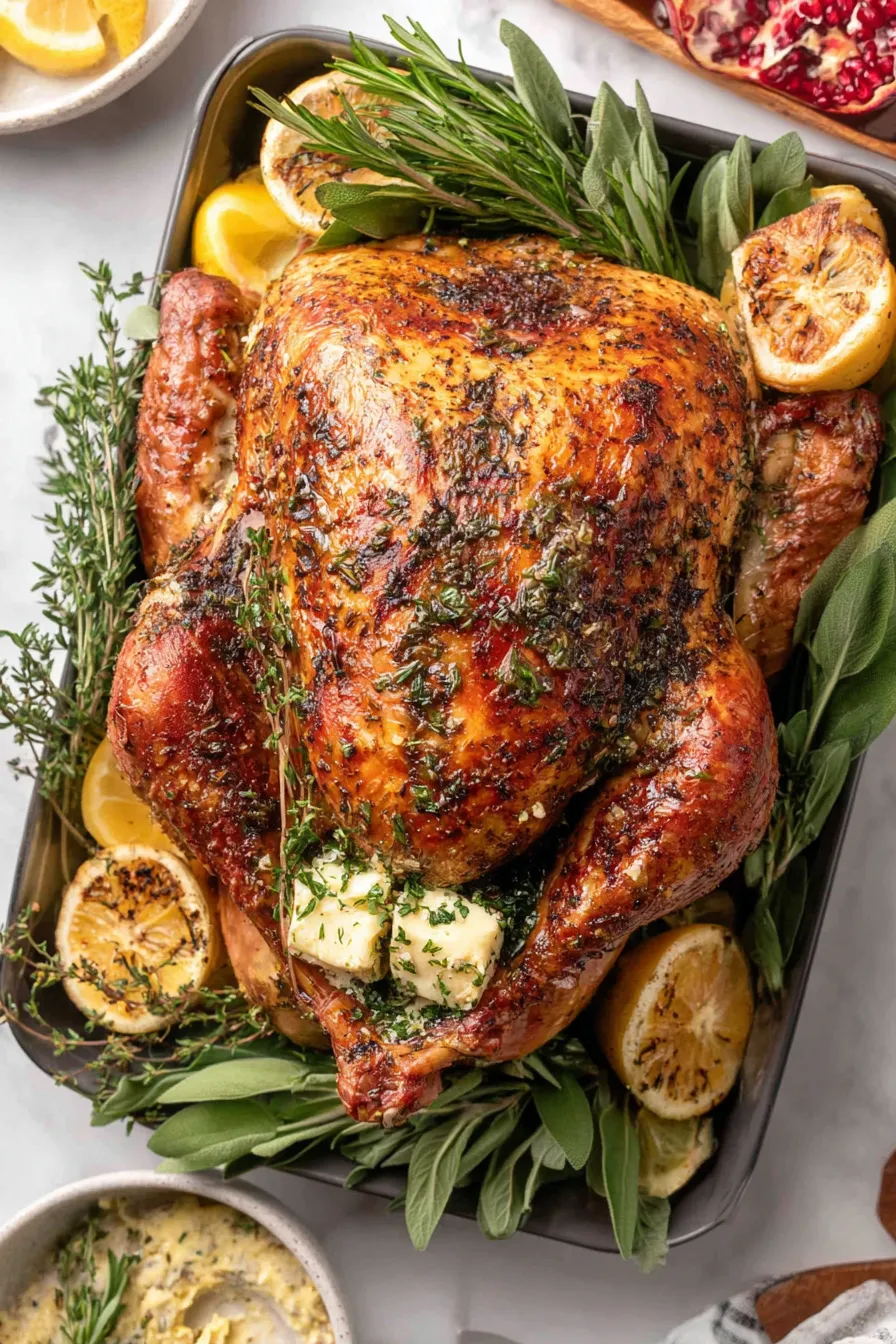
You Must Know
- Start high: the initial 450 degrees crisp the skin, then lowering to 350 finishes the cook without drying the breast.
- Thermometer is essential: thigh should read 165 degrees F before resting; carryover will bring it into the 170s.
- No-baste approach: frequent opening cools the oven and prolongs cooking; the butter under the skin keeps meat moist.
- Make gravy from pan drippings while the turkey rests to use every drop of flavor and reduce last-minute work.
- Plan at least 20 minutes of resting time before carving to preserve juice and texture.
My favorite part of this method is its predictability. Over several holidays I learned that consistent oven management and a reliable thermometer save stress. One year I roasted two birds side-by-side for a large family gathering; the one prepared with the herb butter and cavity aromatics finished earlier and was noticeably juicier and more fragrant. Guests often comment on how the lemon-scented steam keeps the breast flavorful, which makes me happy because the technique is so simple.
Storage Tips
Cool leftover carved pieces to near room temperature, then refrigerate within two hours in airtight containers. Sliced meat stored in shallow containers chills faster and keeps quality longer. Refrigerated turkey will stay good for three to four days. For longer storage, freeze portions in freezer-safe bags with as much air removed as possible; label with the date and use within three months for best texture. Reheat gently in a low oven (about 300 degrees F) covered with foil, adding a splash of stock to keep meat moist.
Ingredient Substitutions
If you don’t have fresh herbs, substitute with 1 teaspoon each of dried sage, thyme, and rosemary but expect a milder aroma. For a dairy-free version, use 1 cup of softened dairy-free margarine or olive oil blended with the same herbs; spread carefully as plant-based fats have different melting points. If lemon is unavailable, use orange or a couple of bay leaves and a splash of apple cider vinegar to provide acidity. For a salt substitute, reduce the butter salt and finish with a small sprinkle of finishing salt before serving.
Serving Suggestions
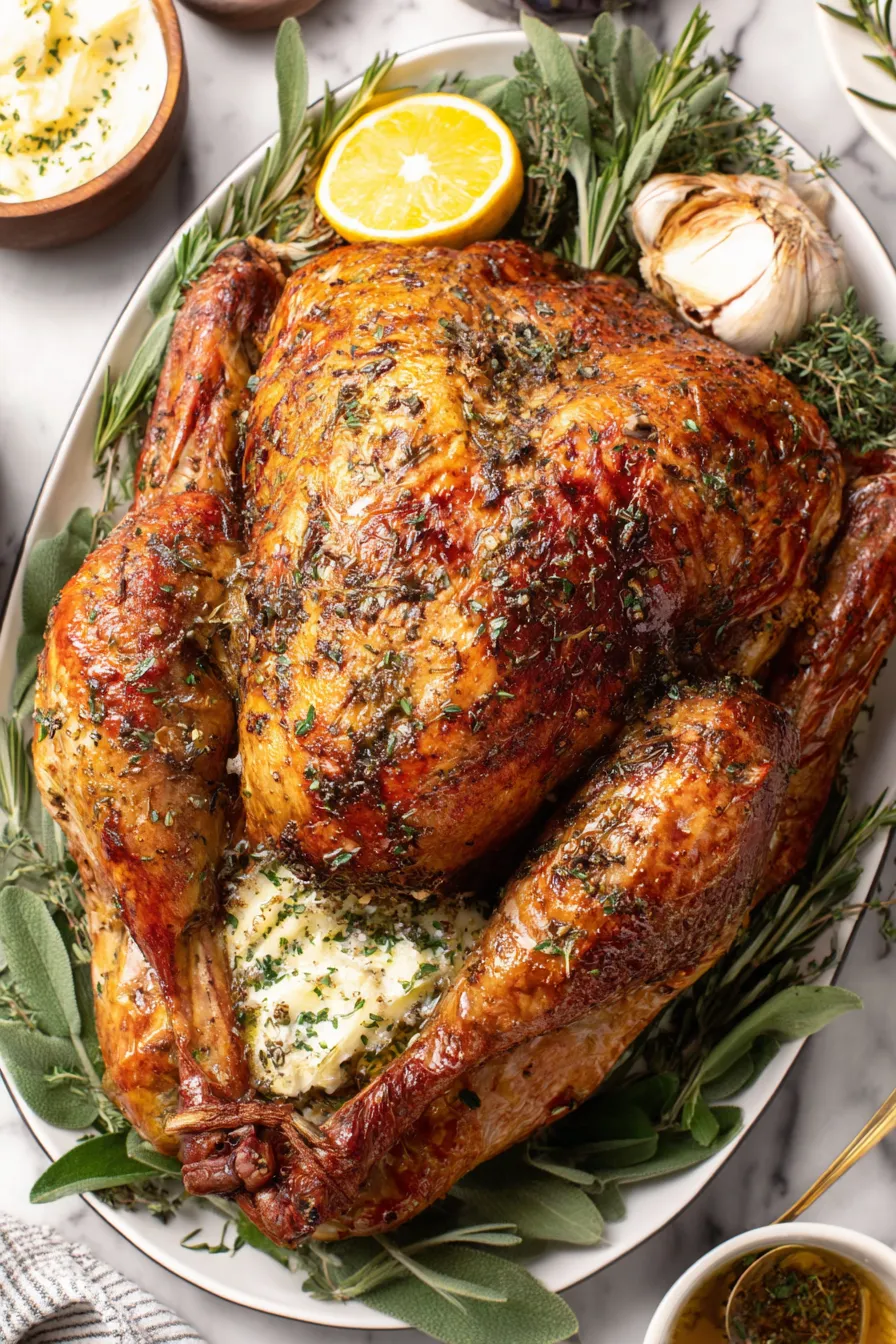
Serve carved breast and thigh slices with classic sides such as mashed potatoes, roasted root vegetables, and green beans. Garnish the platter with sprigs of fresh thyme and lemon slices for color. A simple gravy made from pan drippings, a splash of white wine, and turkey stock ties everything together. For a lighter meal, slice the turkey thinly and serve on a bed of mixed greens with roasted pears and a mustard vinaigrette.
Seasonal Adaptations
In winter, add root vegetables like carrots, parsnips, and turnips to the roasting pan to cook in the turkey juices for a one-pan side. For spring and summer, swap lemon for a halved orange and add fresh tarragon to the herb butter for a brighter profile. For holidays, place halved apples and onions in the cavity instead of lemon to add a sweet aromatic note. Adjust roasting time slightly when stuffing the cavity with heavier vegetables — monitor the internal temperature rather than relying solely on time.
Meal Prep Tips
Mix the herb butter up to 24 hours in advance and refrigerate. On the day, bring it to room temperature and loosen it with a fork before applying. If hosting, roast the bird early in the day, carve, and keep warm in a low oven covered with foil until ready to serve. Use shallow containers to cool leftovers quickly and portion for future meals like sandwiches, salads, and soups. Freeze stock made from carcass for quick weeknight sauces.
This roast turkey method is approachable, dependable, and flexible — perfect for both first-time roasters and experienced cooks who want a relaxed but impressive centerpiece. Make it your own by adjusting herbs and citrus, and enjoy the ease of a recipe that reliably brings people together.
Pro Tips
Use an instant-read thermometer and begin checking 30 minutes before estimated finish time to avoid overcooking.
Make the herb butter a day ahead and keep it covered in the refrigerator to save time and deepen flavor.
Let the turkey rest for at least 20 minutes to allow juices to redistribute and keep meat moist.
Tent with foil when skin browns too quickly to prevent over-browning while the meat finishes cooking.
This nourishing easy roast turkey recipe is sure to be a staple in your kitchen. Enjoy every moist, high protein slice — it is perfect for breakfast or as a wholesome snack any time.
Tags
Easy Roast Turkey
This Easy Roast Turkey recipe makes perfectly juicy, tender, and flavorful steak every time! Serve with potatoes and a side salad for an unforgettable dinner in under 30 minutes.
Ingredients
Main
Herb butter
Inside the turkey
Instructions
Bring turkey and butter to room temperature
Remove the turkey from the refrigerator and let it sit on a baking sheet for about 1 hour. Leave the butter out to soften so it spreads easily under the skin.
Make herb butter
Combine softened butter with chopped sage, thyme, rosemary, minced garlic, salt, and pepper in a bowl and mash together until smooth and slightly whipped.
Preheat oven and prepare cavity
Preheat oven to 450 degrees Fahrenheit and move a rack to the bottom third. Remove giblets from the cavity, pat the turkey dry, and place lemon, herbs, and garlic inside the cavity.
Apply butter and season
Rub the herb butter under the skin where possible and over the exterior, season lightly with salt and pepper, tuck wings and tie legs with twine for a neat presentation.
Roast at 350 degrees F after initial high heat
Place turkey on a rack in a roasting pan, insert into oven and immediately reduce heat to 350 degrees Fahrenheit. Roast approximately 13 minutes per pound, checking thigh temperature toward the end.
Manage browning and finish cooking
If skin browns too soon, tent loosely with non-stick foil for the remainder of cooking. Stop roasting when thigh reaches 165 degrees Fahrenheit as measured by an instant-read thermometer.
Rest and carve
Tilt the roasting rack to collect pan juices, transfer the bird to a cutting board, and let rest for 20 minutes. Use drippings to make gravy while the turkey rests.
Last Step: Please leave a rating and comment letting us know how you liked this recipe! This helps our business to thrive and continue providing free, high-quality recipes for you.
Nutrition
Did You Make This?
Leave a comment & rating below or tag
@forkelle on social media!
Categories:
You might also like...
Marshmallow Frosted Chocolate Brownies
Thick, fudgy chocolate chunk brownies crowned with gooey mini marshmallows and a quick-set chocolate frosting for an irresistible, crowd-pleasing treat.
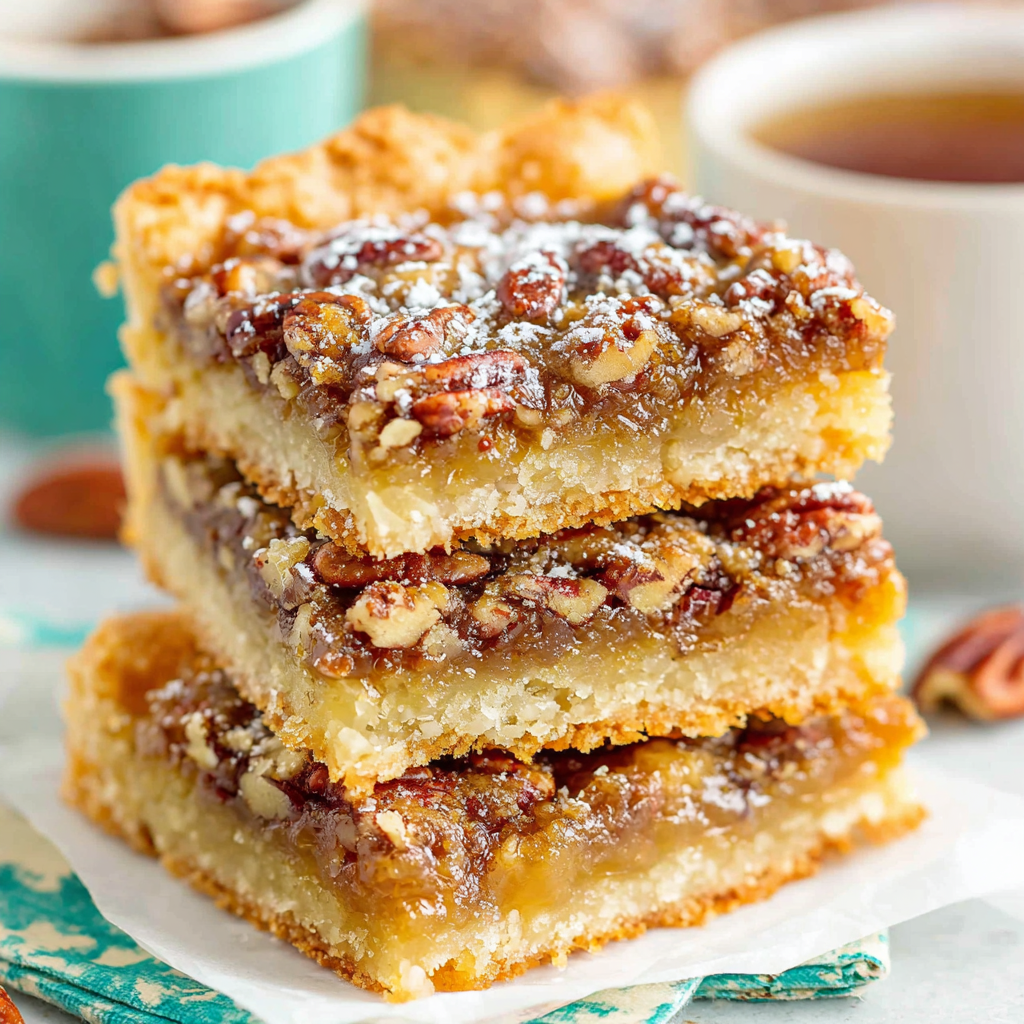
Buttery Pecan Pie Bars
Buttery shortbread meets a gooey, brown-sugar pecan topping in these quick pecan pie bars. Just 10 minutes to prep and perfect for sharing.
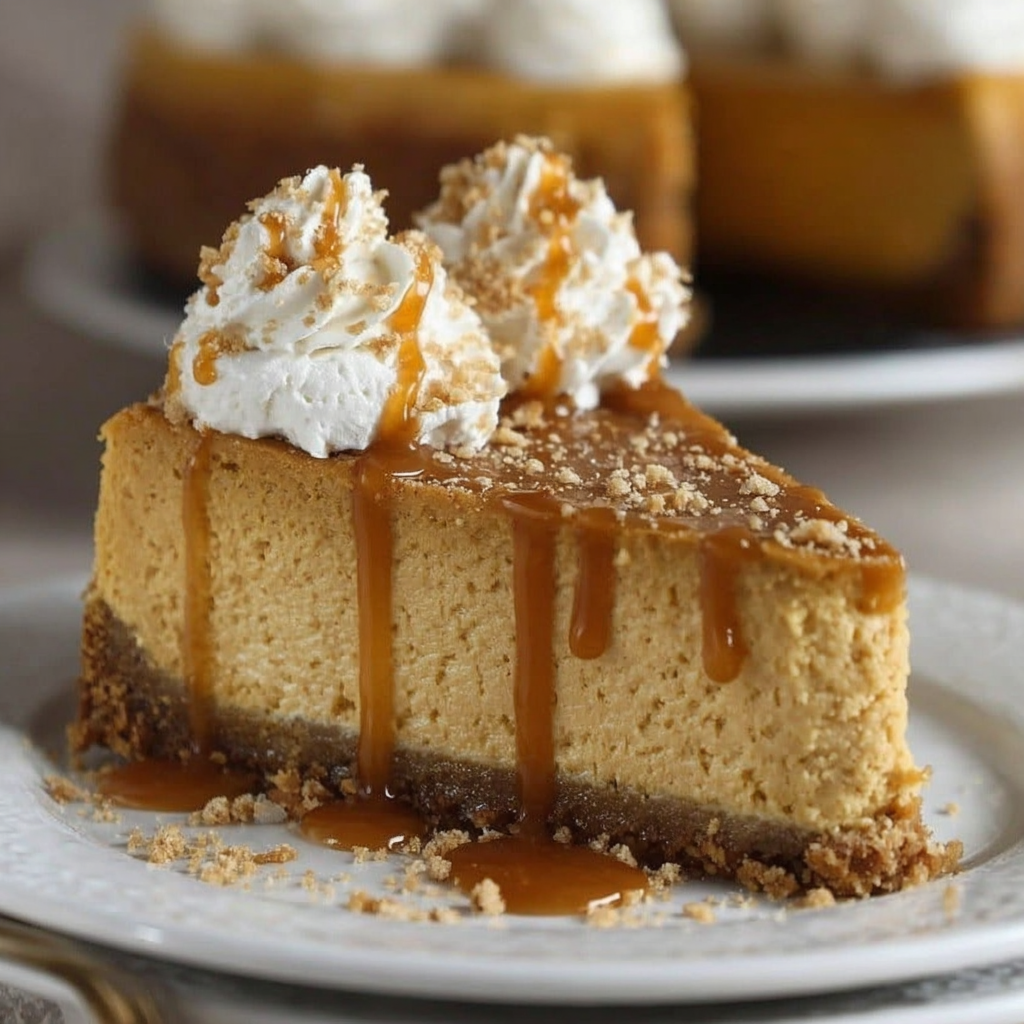
Failproof Pumpkin Cheesecake
Silky, crack-free pumpkin cheesecake with warm spice, buttery graham crust, and optional caramel and rum-kissed whipped cream. Your effortless holiday showstopper.
Did You Make This?
Leave a comment & rating below or tag @forkelle on social media!
Rate This Recipe
Share This Recipe
Enjoyed this recipe? Share it with friends and family, and don't forget to leave a review!
Comments (1)
This recipe looks amazing! Can't wait to try it.
Comments are stored locally in your browser. Server comments are displayed alongside your local comments.

Hi, I'm Abigail!
What's Popular
30-Minute Meals!
Join to receive our email series which contains a round-up of some of our quick and easy family favorite recipes.